Beginner Guides
A Brief History of MotoGP: From the 50s to Today
Ever wondered where MotoGP came from? Our beginner’s guide covers 75 years of Grand Prix racing, from post-war origins to today’s high-tech bikes.
Independent fan site — not affiliated with MotoGP or MotoGP Sports Entertainment Group (formerly Dorna). Written by AI from official data and fact-checked: how this article was made.
From Humble Beginnings to Global Spectacle
Welcome to the thrilling world of MotoGP! Before we dive into the latest races, it helps to know where this incredible sport came from. Understanding its history makes watching the modern battles even more exciting. It’s a story of brave riders, brilliant engineers, and bikes that have evolved from simple machines into technological marvels.
It all started after the Second World War. People were eager for entertainment, and motorcycle racing, which had been around for decades, became more organised. In 1949, the sport’s governing body, the FIM (Fédération Internationale de Motocyclisme), organised the very first motorcycle racing world championship. This was the birth of what we now know as MotoGP.
The Early Days: European Powerhouses
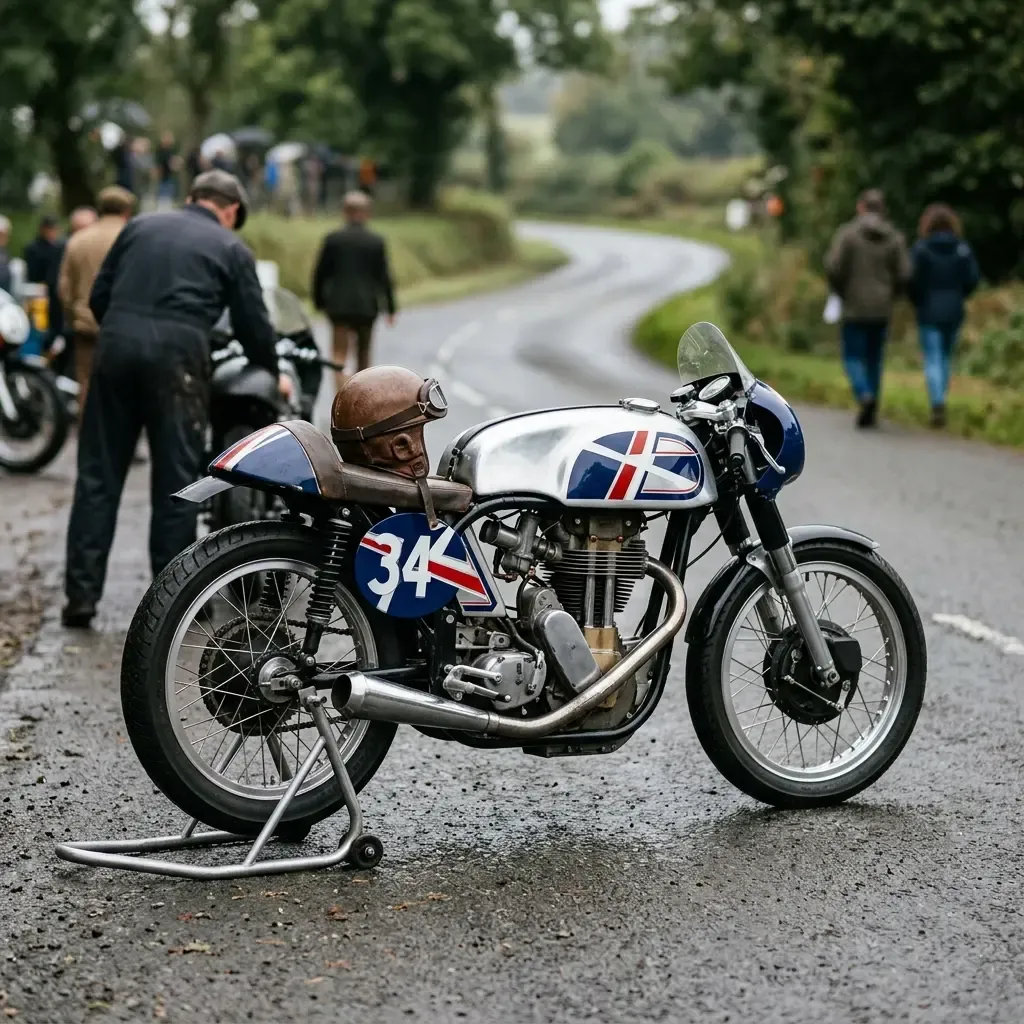
The first few decades were dominated by European manufacturers. British brands like Norton and AJS, and Italian giants like MV Agusta and Gilera, were the names to beat. The bikes were relatively simple compared to today, with steel frames and basic suspension, but the racing was pure and incredibly dangerous.
Riders were true daredevils, racing on public road circuits like the Isle of Man TT, with little more than leather suits and cork helmets for protection. This era established the term Grand Prix (French for ‘Grand Prize’), which simply refers to the main event at each race weekend. Legends like Geoff Duke and John Surtees became household names, wrestling these powerful machines to victory.
The Two-Stroke Revolution
Things started to change dramatically in the 1960s and 70s with the arrival of Japanese manufacturers like Honda, Yamaha, and Suzuki. They brought new ideas and huge investment, and by the 1970s a different kind of engine had taken over the top class: the two-stroke.
For a beginner, the difference is simple. A two-stroke engine is lighter and produces a lot more power for its size than the older four-stroke engines. This made the bikes incredibly fast and aggressive. They were often described as wild and difficult to ride, with a sudden, explosive power delivery that riders had to tame.
This ‘two-stroke era’ is often seen as a golden age for Grand Prix racing. The top class featured 500cc engines, and the bikes were famous for their screaming sound and plumes of blue smoke. Riders from America and Australia, like Kenny Roberts, Wayne Rainey, and Mick Doohan, dominated the sport with their spectacular, sliding riding styles, forever changing how a motorcycle was ridden at the limit.
A New Millennium, A New Class: The Modern MotoGP Era
By the early 2000s, the world was changing. Environmental concerns meant that the smoky, inefficient two-stroke engines were falling out of favour for road bikes. The sport needed to stay relevant to the motorcycles people were buying in showrooms.
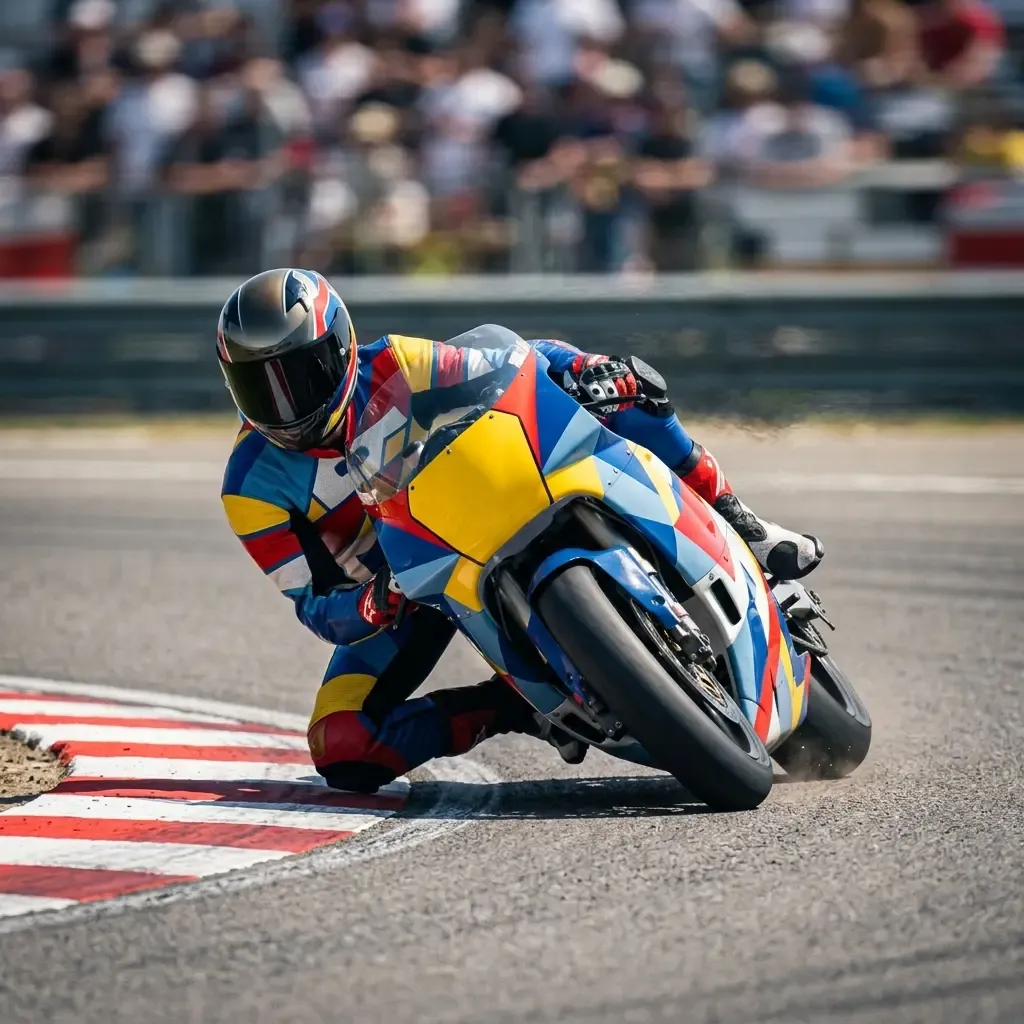
So, in 2002, the premier class underwent its biggest transformation. Bigger 990cc four-stroke engines were allowed in, and within a couple of seasons they had replaced the 500cc two-strokes entirely. The top class was rebranded from the ‘500cc World Championship’ to ‘MotoGP’. Four-stroke engines, like those in most modern cars and road bikes, are heavier and more complex but also cleaner, more fuel-efficient, and produce power more smoothly.
This change brought a whole new challenge. The bikes were heavier but immensely powerful, and electronics started playing a much bigger role. Systems like traction control (which helps prevent the rear tyre from spinning and causing a crash) became essential to help riders manage the incredible horsepower.
The Engine Rollercoaster
The evolution didn’t stop there. The rule makers are always trying to balance incredible speed with rider safety and close competition. This has led to a few key changes in engine size over the years.
In 2007, the engine size was reduced from 990cc to 800cc in an attempt to slow the bikes down. However, this had an unexpected effect: corner speeds became dangerously high as the bikes were lighter and more nimble. So, in 2012, the decision was made to switch back up to larger 1000cc engines, which is the formula we still see today.
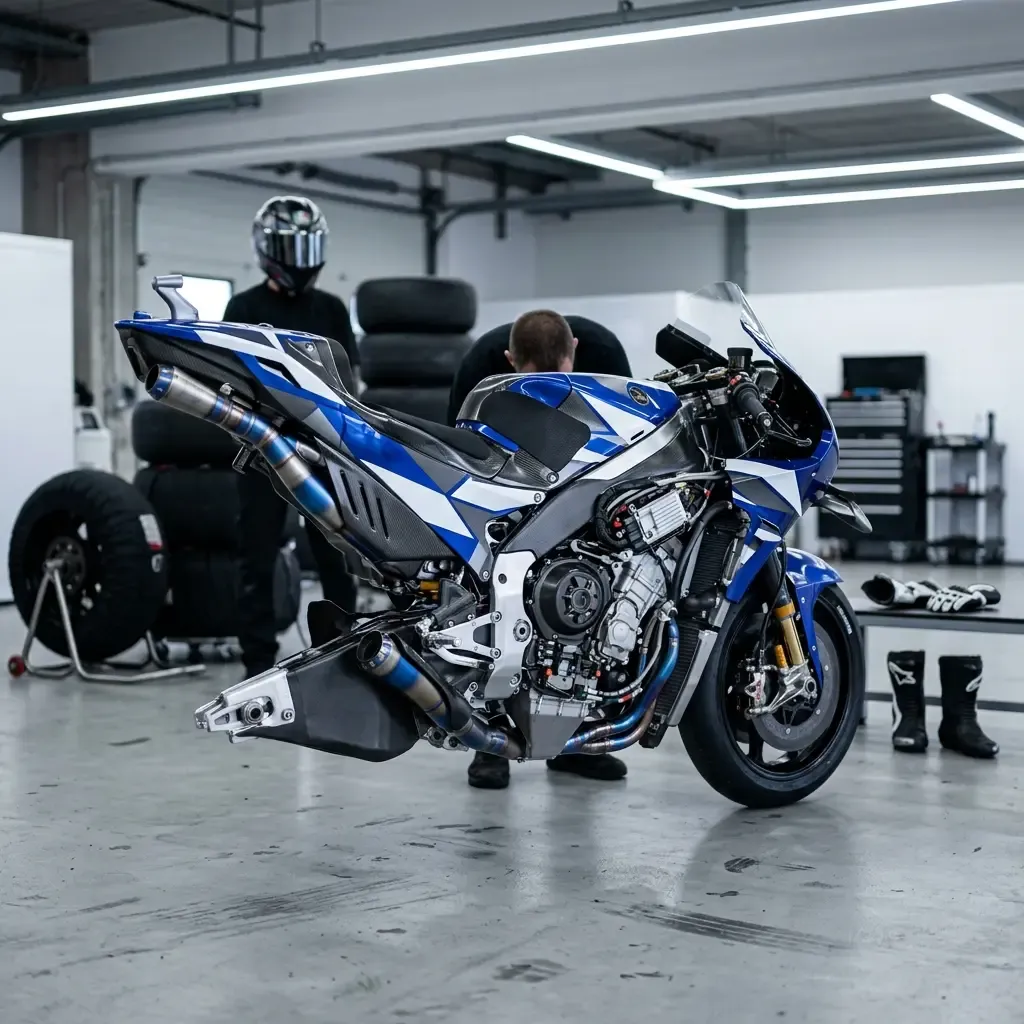
The 1000cc bikes are the fastest Grand Prix machines in history, capable of speeds over 220 mph (360 km/h)! But the sport never stands still. We already know that 2026 will be the final year for the current 1000cc bikes. In 2027, a new era will begin with smaller, 850cc engines, designed to make the sport safer and more sustainable while keeping the racing as exciting as ever.
A Rich History, A Bright Future
From the raw, pioneering days of the 1950s to the high-tech, ultra-fast machines of today, MotoGP has always been about pushing the boundaries of what’s possible on two wheels. Every race you watch is another chapter in a story that’s been unfolding for over 75 years.
Knowing this journey—from simple four-strokes to wild two-strokes and back to the electronic-heavy four-strokes of today—gives you a deeper appreciation for the skill of the riders and the genius of the engineers. The next time you see the bikes line up on the grid, you’ll know you’re not just watching a race, but a piece of living history.
Quick Takeaways
- Grand Prix motorcycle racing began in 1949, and was first dominated by British and Italian manufacturers.
- The sport was revolutionised by Japanese brands and their powerful, lightweight ‘two-stroke’ engines in the 1970s, an era known for its aggressive bikes.
- In 2002, the top class became ‘MotoGP’, switching to cleaner and more modern ‘four-stroke’ engines, similar to those in road bikes.
- The engine size has changed several times for safety and competition (from 990cc to 800cc and then to 1000cc), with a new 850cc era starting in 2027.