Beginner Guides
A MotoGP Weekend Explained: Friday, Saturday, Sunday
New to MotoGP? Our guide breaks down the race weekend from Friday practice to the Sunday Grand Prix. Understand what happens, when, and why each session matters.
Your Guide to a Packed Weekend of Racing
A MotoGP event isn’t just a single race on a Sunday afternoon. It’s a thrilling three-day festival of speed, strategy, and high-stakes drama that builds from the first moments the bikes hit the track on Friday morning.
For a newcomer, the schedule can seem a bit confusing. What’s a ‘Sprint raceA short Saturday race over half the distance, awarding points to the top nine finishers.Read the full guide →’ race? Why are there so many PracticeSessions before qualifying where riders set up the bike; the combined times decide who goes straight to Q2.Read the full guide → sessions? And what makes QualifyingThe timed sessions that set the starting order, split into Q1 and Q2 for the front rows.Read the full guide → so important? This guide is your timetable, breaking down the entire weekend so you know exactly what you’re watching, and why every single session matters.
The Build-Up: Friday’s Practice Sessions
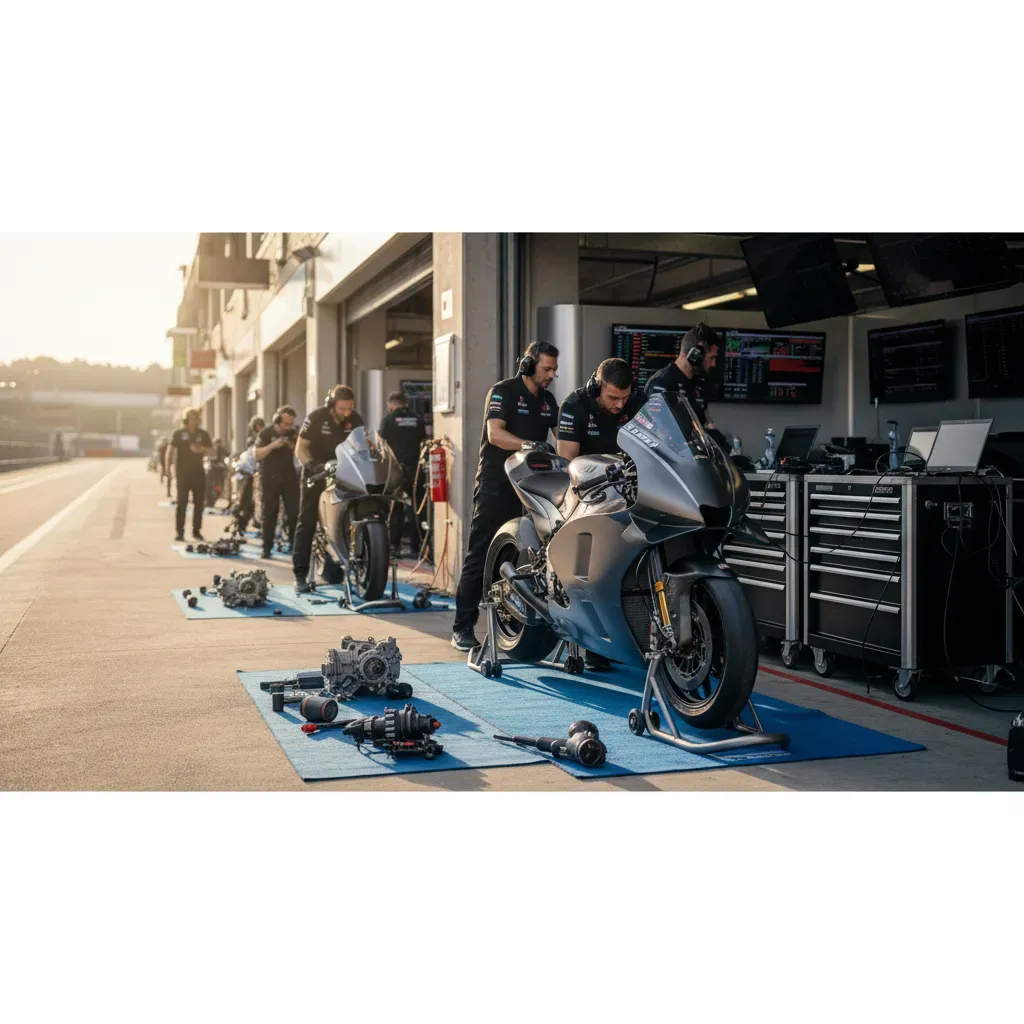
Friday is all about learning. Riders and their teams arrive at a new circuit with a mountain of work to do. The goal for the day isn’t to be the outright fastest, but to gather as much information as possible to build the perfect motorcycle for that specific track.
This is done during sessions called Free Practice. Think of these as intense, high-speed test sessions where teams work on the bike’s ‘setup’ — adjusting everything from the suspension behaviour to the electronic settings and, crucially, testing which tyre compounds work best with the asphalt.
Morning: Free Practice 1 (FP1)
The first session of the weekend, usually 45 minutes long, is the initial shakedown. Riders get their first feel for the track’s grip levels and conditions, while engineers begin collecting data. It’s a crucial first step in a weekend-long puzzle.
Afternoon: Practice (PR)
The 60-minute afternoon session is where the pressure starts to build. While still a practice session, it has a competitive edge. The ten fastest riders at the end of this session earn a golden ticket, advancing directly to the main qualifying shootout on Saturday.
This means the final few minutes are often frantic, with riders pushing for a fast lap time to secure their spot. Missing out on the top ten means facing a much harder route to a good starting position for the main races.
High Stakes Saturday: Qualifying and the Sprint
If Friday is about preparation, Saturday is about performance. This is the day the starting order for the weekend’s races is decided, and the first championship points are handed out.
Morning: Free Practice 2 (FP2)
Saturday kicks off with one final, 30-minute Free Practice session. This is a last chance for teams to fine-tune their race setup and confirm any changes they made overnight based on Friday’s data. After this, the gloves come off.
Afternoon: The Race for Pole Position (Qualifying)
This is one of the most exciting parts of the weekend. Qualifying is a two-part session that decides the starting grid — the formation in which riders will line up for the start of both the Sprint and the main Grand Prix. A good starting position, especially on the front row, is a massive advantage.
The session is split into two 15-minute dashes against the clock: Qualifying 1 (Q1) and Qualifying 2 (Q2).
Riders who finished outside the top ten in Friday’s Practice session must first compete in Q1. They push their bikes to the absolute limit, and only the two fastest riders from this group are allowed to advance. For everyone else, their starting position is set, and they will start from 13th place or lower.
Those two survivors from Q1 then join the ten riders who were fastest on Friday for the main event: Q2. This is a spectacular 15-minute battle between the 12 fastest riders of the weekend to decide the top 12 grid spots. The rider who sets the single fastest lap wins ‘Pole positionFirst place on the starting grid, earned by the fastest qualifying lap.Read the full guide →’ – the very first spot on the grid.
Late Afternoon: The Sprint
A recent and exciting addition to the weekend is the Sprint. This is a shorter, half-distance race held on Saturday afternoon. It’s an all-out dash from start to finish, with riders fighting for championship points (half points are awarded to the top nine finishers).
There is less emphasis on managing tyres or fuel; the strategy is simple: go as fast as possible. The Sprint adds a whole new layer of action and risk to Saturday, giving fans a fantastic preview of the battles to come on Sunday.
The Main Event: Grand Prix Sunday
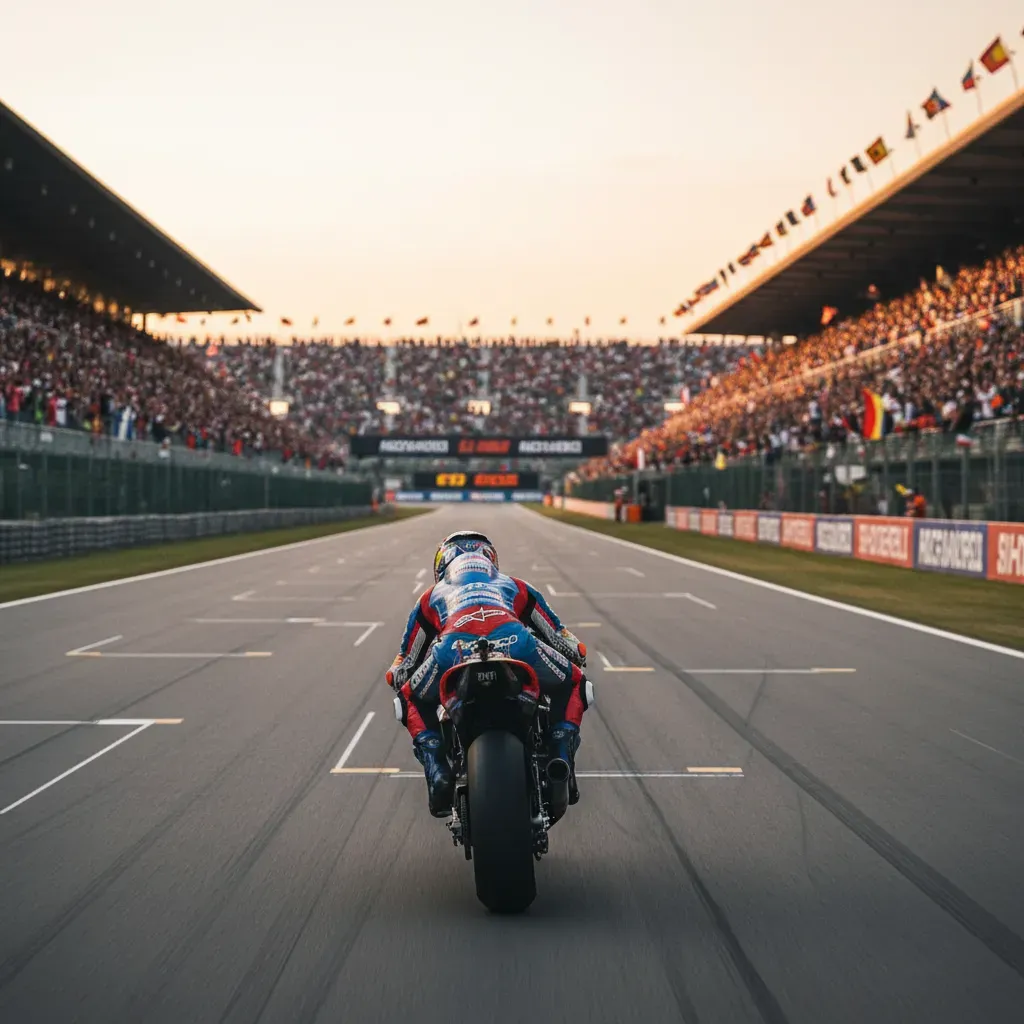
This is it. The day everything has been building towards. The atmosphere at the track on Sunday is electric, filled with anticipation for the main event.
Morning: Warm Up
Before the main race, there is a very short, 10-minute session called the Warm Up. This isn’t for finding speed, but for final checks. It gives riders a chance to ensure their bike, now in full race trim, is working perfectly and allows them to get a feel for the track conditions on race day, which might have changed since Saturday.
Afternoon: The Grand Prix
The Grand Prix is the climax of the weekend. It is the full-length race where full championship points are awarded. The riders line up on the grid in the order they set during Saturday’s qualifying session, the roar of the engines building to a crescendo.
Unlike the Sprint, the Grand Prix is a test of endurance and strategy as much as pure speed. Riders must carefully manage their tyre wear over the longer distance, conserve fuel, and maintain intense focus for 40-45 minutes. It’s a marathon, not a sprint, and the rider who best balances aggression with intelligent race craft will stand on the top step of the podium.
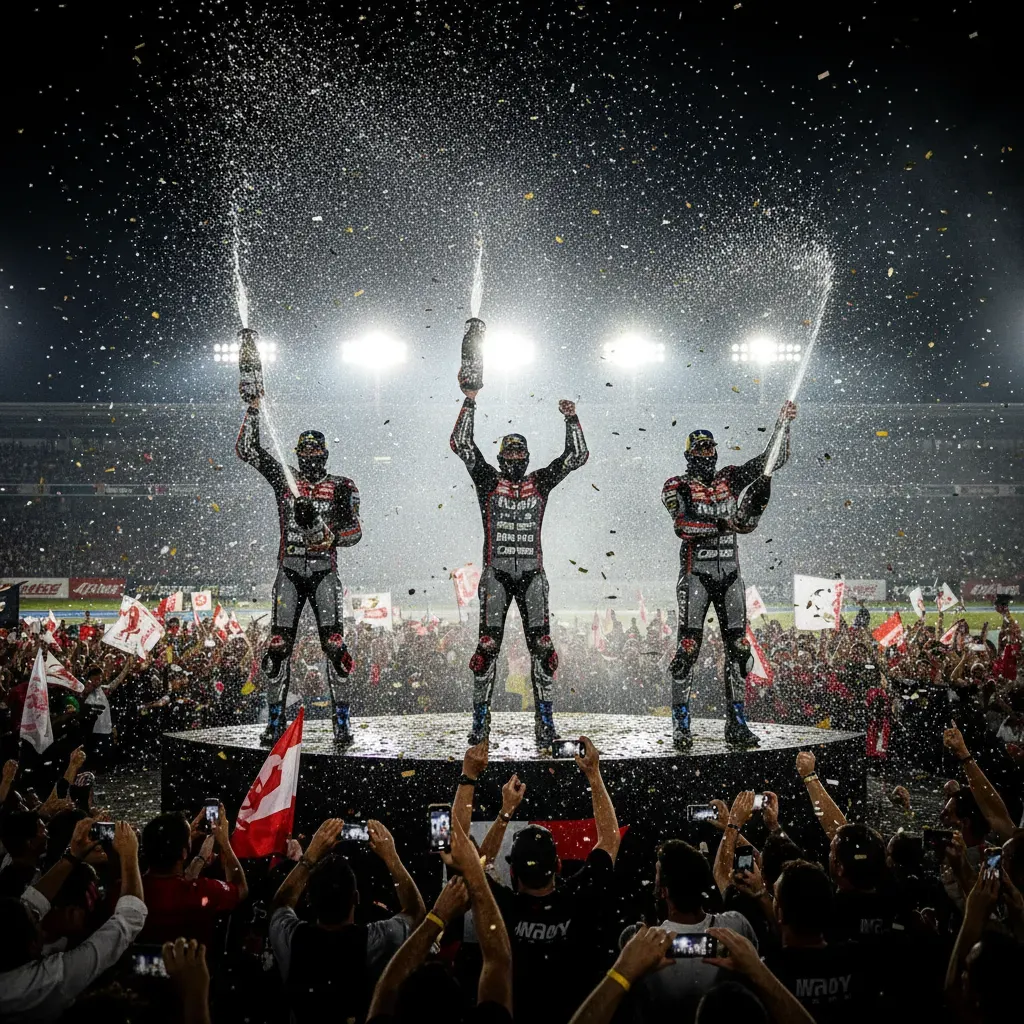
When the chequered flag falls, the weekend culminates in the famous podium celebration, a shower of champagne and a moment of glory for the top three riders who conquered the track and their rivals.
Quick Takeaways
- Friday is for Practice: Teams and riders use two sessions to learn the track and perfect the bike’s setup. The afternoon session is crucial, as the top 10 fastest riders advance directly to the main qualifying event.
- Saturday is for Speed: The grid is set in a tense, two-part Qualifying session (Q1 and Q2). The day ends with the Sprint, a short, half-distance race that awards points.
- Sunday is the Main Event: After a brief morning Warm Up, riders compete in the full-length Grand Prix, the most important race of the weekend where strategy and endurance are key to winning.
- Every Session Matters: From the first practice lap to the final race, each session builds on the last, creating a weekend-long narrative of preparation, pressure, and performance.