News
Crash Statistics Reveal Key Factor in 2026 MotoGP Title Battle
Championship leader Jorge Martin's high crash rate contrasts sharply with rival Ai Ogura's consistency, suggesting the 2026 MotoGP title may be decided by risk management.
A fascinating statistic has emerged at the halfway point of the 2026 MotoGP season, and it could be the key to understanding who will lift the championship trophy. While Spanish rider Jorge Martin holds the lead in the points standings, he also holds a less desirable record: the most crashes of any full-time rider on the grid.
In stark contrast, his Japanese rival, Ai Ogura, has been a model of consistency, recording one of the lowest crash rates of all. This difference in their approach — Martin’s raw, on-the-limit speed versus Ogura’s calculated consistency — sets the stage for a thrilling conclusion to the season.
What do the numbers actually show?
Statistics covering every session of the season so far, from Friday PracticeSessions before qualifying where riders set up the bike; the combined times decide who goes straight to Q2.Read the full guide → to the main Sunday race, reveal that Jorge Martin has fallen from his bike more than any of his rivals. These incidents range from minor slides in practice to more significant accidents during QualifyingThe timed sessions that set the starting order, split into Q1 and Q2 for the front rows.Read the full guide → or races.
On the other end of the spectrum, Ai Ogura has barely put a foot wrong. His remarkably low number of falls shows a rider focused on precision and bringing the bike home safely. This isn’t just about avoiding injury; it’s a deliberate strategy focused on scoring points at every single opportunity.
Why does crashing matter if you’re still leading?
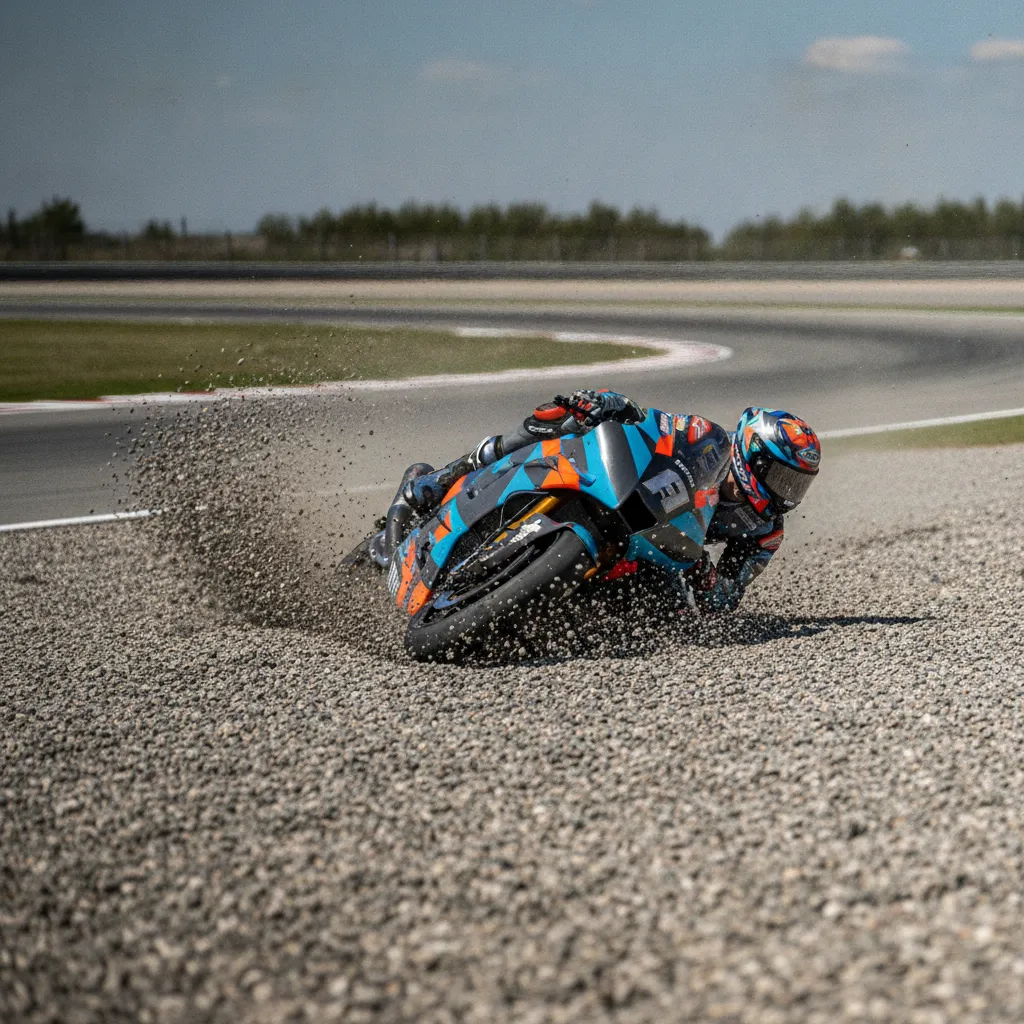
For a newcomer to MotoGP, it might seem strange that the leader is also the one crashing most often. It shows he is constantly pushing the absolute limits of his machine to find extra speed, which is how he has built his championship lead.
However, this is a high-risk strategy. Every fall, no matter how small, carries the risk of injury that could force a rider to miss races. It also means losing valuable track time during practice, which is crucial for perfecting the bike’s setup for the race.
Most importantly, a crash during a race almost always means scoring zero points. The MotoGP World Championship is a season-long competition where riders accumulate points from each race. While Martin’s incredible speed has allowed him to win races and build a lead, a single mistake at the wrong time could see that advantage vanish instantly.
How is Ai Ogura’s approach different?
Ai Ogura is playing the long game. His style is built on a foundation of smoothness and consistency, a behaviour that allows him to finish races reliably and collect points weekend after weekend. While he may not always be the fastest rider on a single lap, his ability to avoid mistakes is a powerful weapon in a championship fight.
This methodical approach ensures he is always there to capitalise if his rivals make a mistake. In a sport where bikes are ridden on a knife-edge, simply staying upright and finishing the race is often half the battle. Ogura’s consistency is building a solid platform from which to challenge for the title.
What does this mean for the rest of the season?
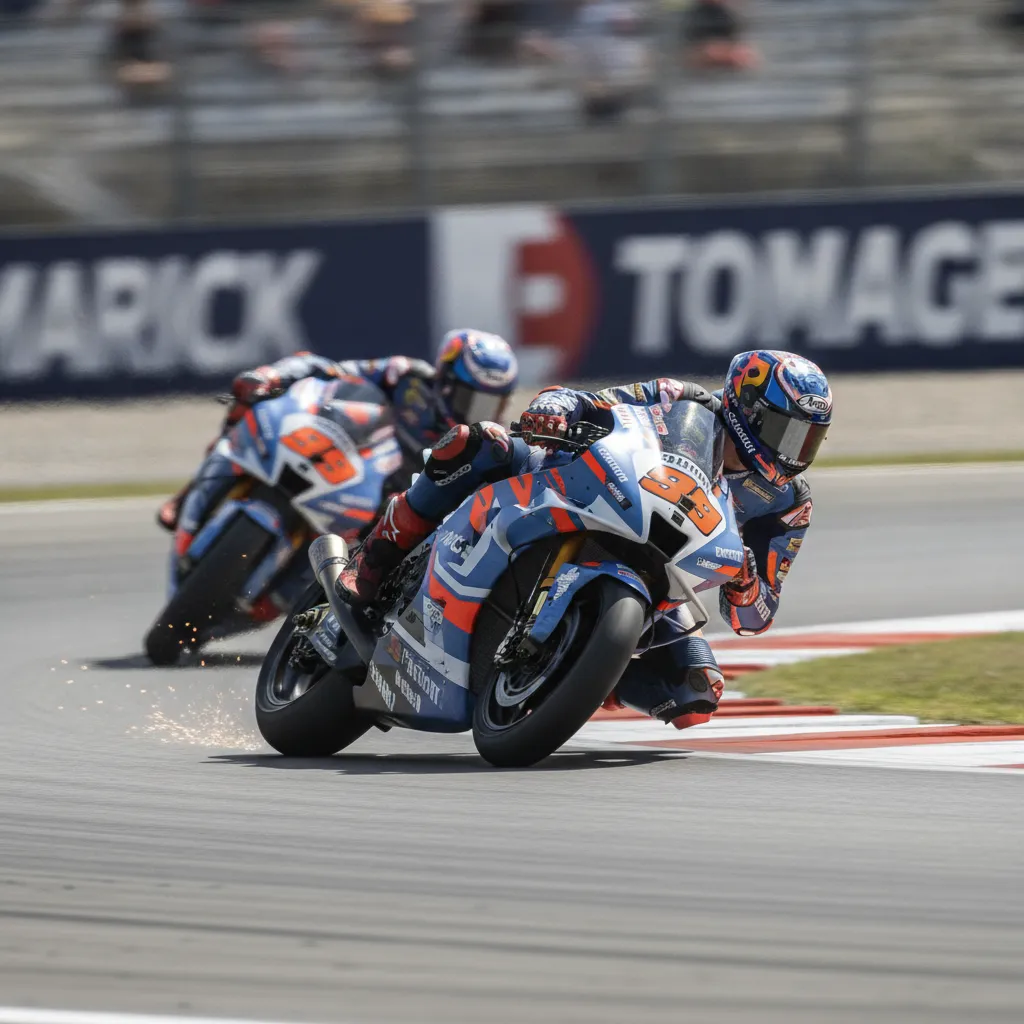
The second half of the 2026 season is now perfectly poised as a classic clash of styles. We have the explosive, all-or-nothing pace of Jorge Martin versus the relentless, metronomic consistency of Ai Ogura.
The big question is which approach will prevail. Can Martin continue his high-wire act, balancing incredible speed with immense risk, without making a critical error? Or will Ogura’s steady accumulation of points prove to be the smarter, more sustainable path to becoming a world champion?
As the pressure builds towards the final races, the rider who can best manage risk will likely be the one who comes out on top. It’s a fascinating dynamic that will keep fans on the edge of their seats until the very end.
Quick Takeaways
- Championship leader Jorge Martin has the highest number of crashes among full-time riders in the first half of the 2026 season.
- Title rival Ai Ogura has one of the lowest crash rates, highlighting his incredibly consistent riding style.
- This creates a classic battle between Martin’s high-risk, high-reward speed and Ogura’s safer, point-scoring strategy.
- The ability to avoid costly mistakes in the high-pressure final races could be the single biggest factor in deciding the world champion.
Quick questions
- Q.Does crashing a lot mean a rider is bad?
- Not at all. In MotoGP, a high crash rate often means a rider is pushing the absolute limits of the bike and tyres to find the extra speed needed to win races. It's a sign of commitment, but also of high risk.
- Q.What counts as a 'crash' in these statistics?
- A crash, or 'fall', is officially recorded any time the rider and the motorcycle separate during a timed session on track. This includes everything from a slow slide in practice to a major accident in a race.
- Q.Who is Jorge Martin?
- Jorge Martin is a top-level Spanish rider known for his explosive, aggressive riding style and his incredible raw speed, especially over a single qualifying lap.
- Q.Who is Ai Ogura?
- Ai Ogura is a leading Japanese rider who has earned a reputation for his smooth, precise and highly consistent riding style, allowing him to finish races and score points with remarkable regularity.
- Q.Why is consistency so important in MotoGP?
- The championship is won by scoring the most points over an entire season. Winning races is great, but consistently finishing in high positions and avoiding zero-point weekends from crashes is often the key to building a successful title campaign.