Tracks
Misano World Circuit Marco Simoncelli Guide: A First Look at the San Marino GP
Our beginner's guide to the Misano World Circuit Marco Simoncelli, home of the San Marino GP. Learn about its key corners, passionate crowd, and unique challenges.
The MotoGP calendar is filled with legendary circuits, but few can match the passion and emotion of the Misano World Circuit Marco Simoncelli. As the host of the San Marino Grand Prix, this track is a pilgrimage for Italian motorsport fans, creating an atmosphere that is as much a part of the spectacle as the racing itself.
Nestled near the Adriatic coast, Misano is a home race for many Italian riders, teams, and manufacturers like Ducati and Aprilia. This proximity to the heartland of Italian motorcycling guarantees a vibrant, loud, and utterly unforgettable race weekend.
Where is the Misano circuit?
One of the first things you might notice is that the San Marino Grand Prix isn’t actually held in San Marino. The track is located in the Italian town of Misano Adriatico, just a few kilometres down the road from the tiny, independent republic it’s named after. This arrangement allows the historic name to remain on the calendar.
The circuit is famous for its incredible atmosphere, largely fuelled by the legions of fans who come to support their local heroes. For many years, the grandstands were a sea of yellow in honour of the legendary Valentino Rossi, who grew up just a short ride away. That passionate support continues for the current crop of Italian talent.
What makes the track layout challenging?
At first glance, Misano’s 4.2-kilometre (2.6-mile) layout looks relatively straightforward, but it’s packed with technical challenges. Unusually for the MotoGP calendar, the circuit runs in a clockwise direction. This means it has more right-hand corners than left, putting unique stresses on the right-hand side of the tyres and on the riders themselves, who are more accustomed to anti-clockwise tracks.
It’s a circuit that rewards precision and flow over outright top speed. While there are a couple of decent straights, the race is often won and lost in the braking zones and the sequences of tight, technical corners that link them together.
Which corners should I watch out for?
Three sections at Misano are particularly critical and always produce fantastic action. The first is the entry to Turn 8, a tight right-hander at the end of the fastest straight. This is a prime overtaking spot, where riders have to be brave on the brakes to make a pass stick.
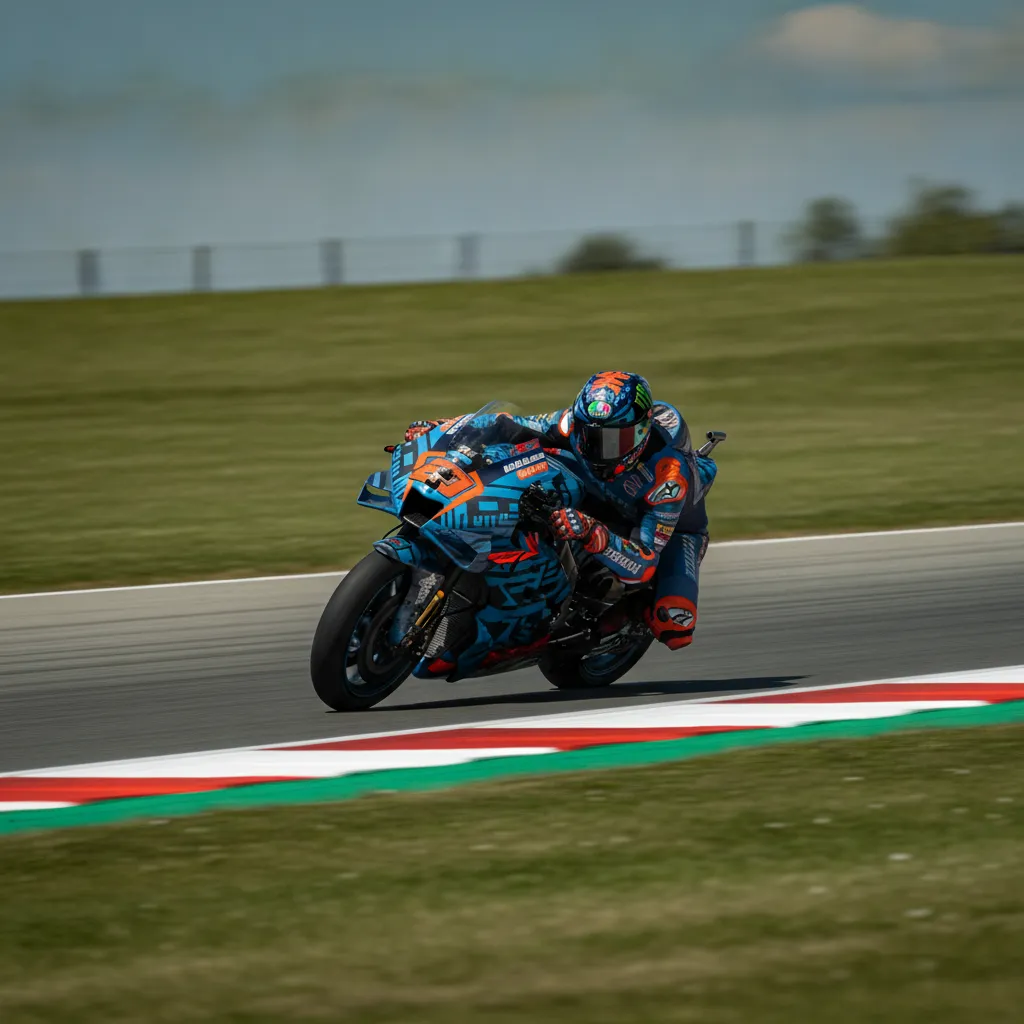
Perhaps the most famous part of the circuit is Turn 11, known as the ‘Curvone’. This is an incredibly fast, long, sweeping right-hand corner that riders take at astonishing speeds and Lean angleHow far the bike is tipped from vertical through a corner — MotoGP riders pass 60°.Read the full guide →. It requires total commitment and a perfectly set-up bike, and it’s a spectacular place to appreciate the skill of a MotoGP rider.
Finally, the complex from Turn 14 to 16 is crucial. The double-right of ‘Carro’ at Turn 14 leads into a short straight before the final chicane – a tight left-right flick designed to slow riders down before the main straight. This final section is a classic spot for a last-lap lunge, often deciding the race in the final few seconds.
What kind of racing does Misano produce?
Because of its tight and twisty nature, overtaking can be difficult at Misano. This places a huge emphasis on QualifyingThe timed sessions that set the starting order, split into Q1 and Q2 for the front rows.Read the full guide → well; starting from the front three rows of the grid is often vital for a chance at the podium. A rider stuck in the pack can find it very hard to make progress.
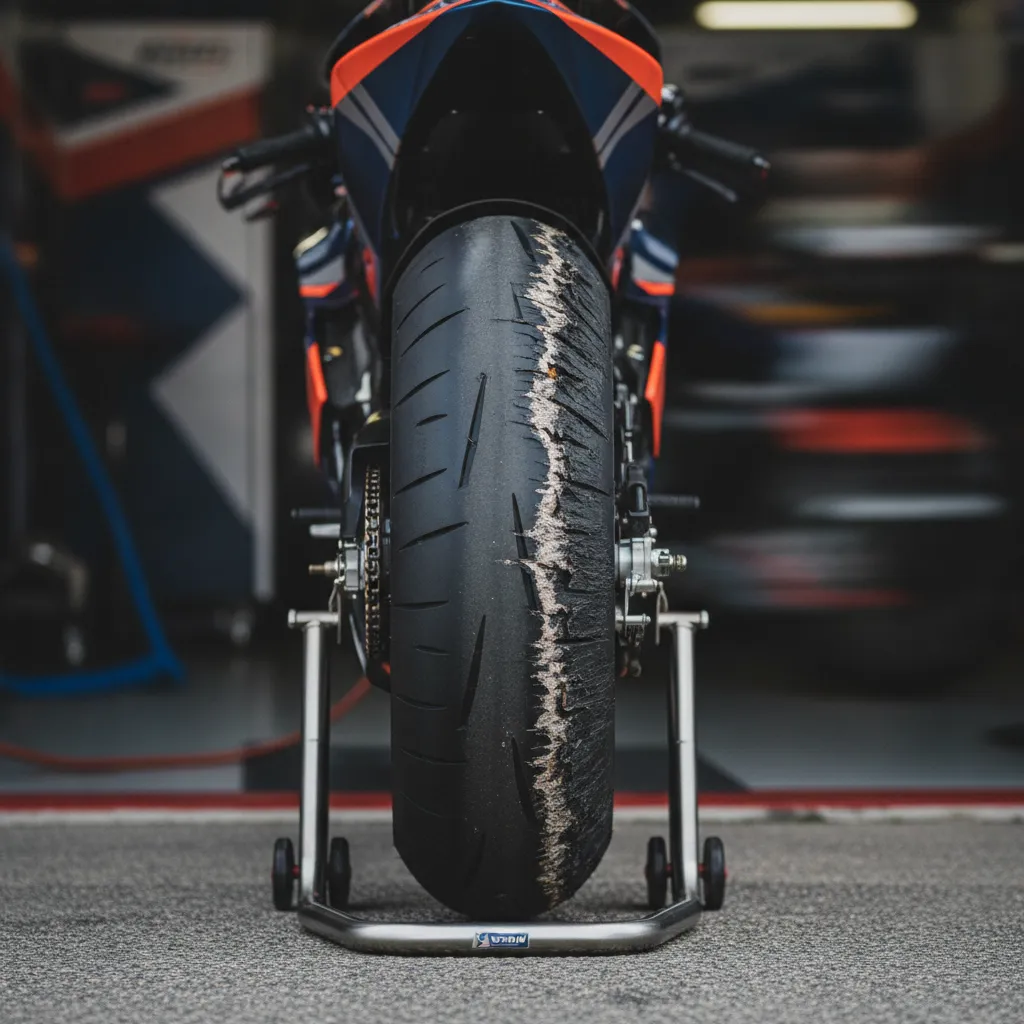
The clockwise layout and the high-speed Curvone mean that managing the right side of the rear tyre is one of the biggest jobs for the riders and their teams. Pushing too hard, too early can leave a rider with no grip left for the final laps, making them vulnerable to attack.
The weather can also play a big part. Being so close to the coast, conditions can change quickly. The late summer date often means intense heat and humidity, but sudden rain showers are not uncommon, which can turn a race on its head completely.
Quick Takeaways
- Passionate Home Crowd: Misano is an Italian home race, famous for its noisy, colourful, and incredibly passionate fans.
- A Clockwise Challenge: The circuit runs clockwise, which is unusual in MotoGP. This puts extra stress on the right side of the tyres.
- Technical, Not Just Fast: The layout rewards precision and good braking more than pure top speed, with fast, flowing corners like the Curvone being a highlight.
- Last-Lap Drama: The final chicane is a classic spot for late-race overtaking moves that can decide the winner.
Quick questions
- Q.What does the 'Marco Simoncelli' part of the name mean?
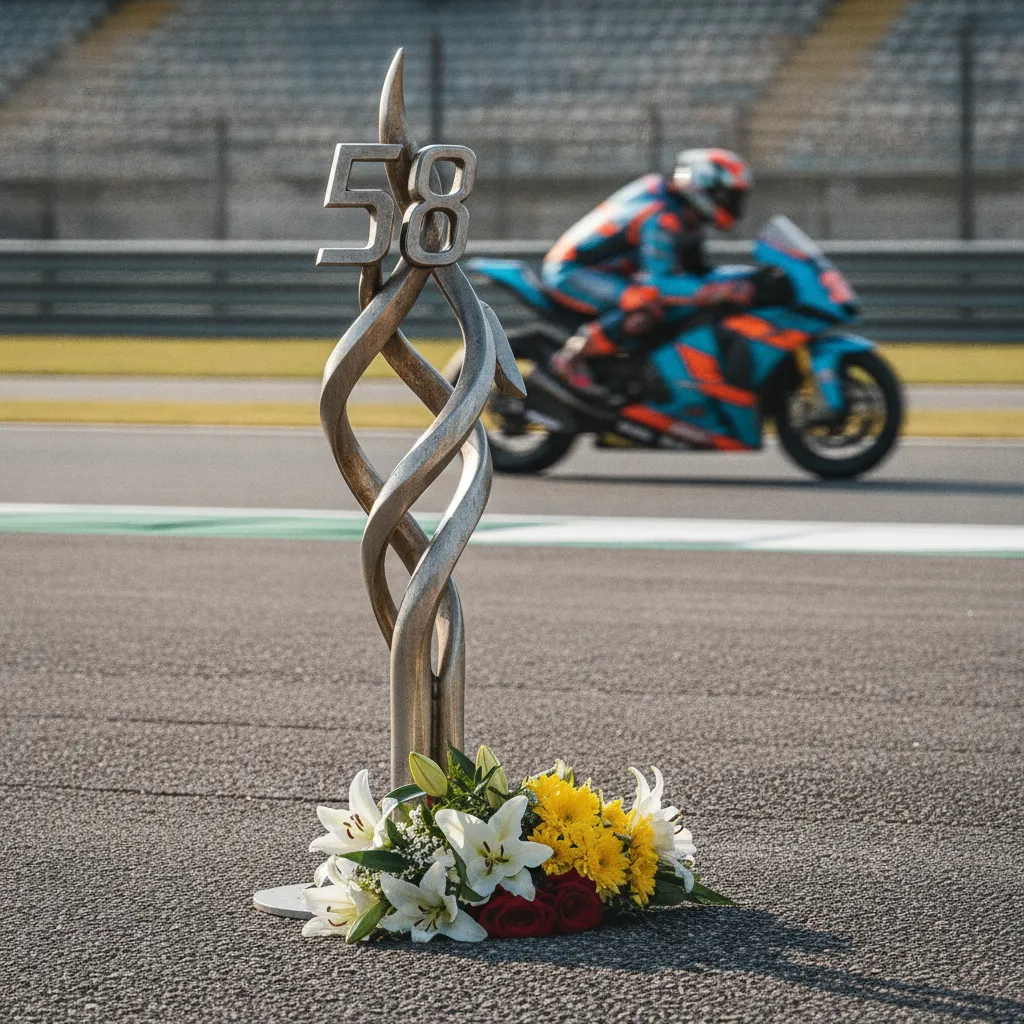
- The circuit was renamed in 2012 to honour Marco Simoncelli, a popular local MotoGP rider who was tragically killed in an accident during the 2011 Malaysian Grand Prix.
- Q.Is Misano a fast circuit?
- While it has some fast sections like the 'Curvone' corner, Misano is generally considered a more technical and twisty circuit compared to ultra-fast tracks like Mugello or the Red Bull Ring. It's more about braking and acceleration.
- Q.What is a 'chicane'?
- A chicane is a tight sequence of corners, typically in an 'S' shape, that is inserted into a straight section of track. Its purpose is to slow the bikes down for safety before the next corner or straight.