Tracks
Mugello Track Guide: Your First Look at the Italian GP
Your first guide to the Italian MotoGP at Mugello! Learn about the Tuscan hills, famous corners, and incredible atmosphere. Perfect for absolute beginners.
Independent fan site — not affiliated with MotoGP or MotoGP Sports Entertainment Group (formerly Dorna). Written by AI from official data and fact-checked: how this article was made.
Italian Grand Prix
Autodromo del Mugello
A fast, flowing rollercoaster carved into the Tuscan hills — home of the Tifosi and one of the great cathedrals of motorcycle racing.
Schematic layout · not to scale
Watch the run into Turn 1. Bikes scream down the main straight at 360 km/h, then slam on the brakes for the San Donato right-hander — it's where most of the overtaking happens. If you only follow one corner, follow that one.
Welcome to Mugello: The Heartbeat of Italian Racing
Imagine a ribbon of tarmac flowing through rolling green Tuscan hills, surrounded by thousands of passionate fans. That’s the Autodromo Internazionale del Mugello, a circuit that isn’t just a track; it’s a pilgrimage site for motorsport lovers.
Mugello is famous for its sheer speed and its breathtaking beauty. It’s a place where modern racing machines are pushed to their absolute limits, all while set against a backdrop of cypress trees and classic Italian countryside. For riders and fans alike, the Italian Grand Prix at Mugello is one of the most special events on the calendar.
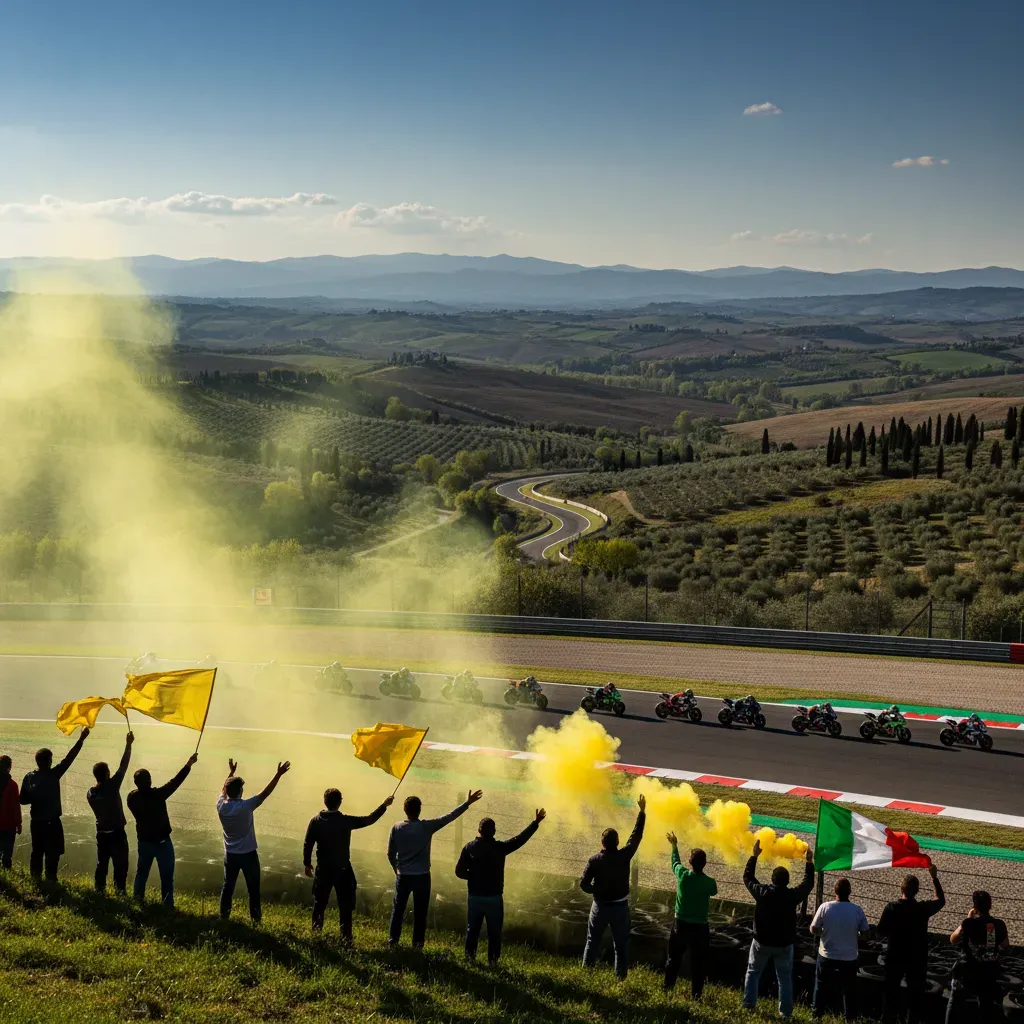
Location & Atmosphere: A Sea of Yellow in the Hills
Nestled in the valleys of Tuscany, about an hour from Florence, Mugello’s location is part of its magic. The circuit is built into the natural landscape, meaning it has lots of elevation changes — climbs and drops that make the racing incredibly exciting.
But the real soul of Mugello comes from the fans, known as the ‘Tifosi’. They are some of the most passionate in the world. Many camp out for the entire weekend, creating a festival atmosphere. You’ll see a sea of yellow in the grandstands and on the grassy banks, a tribute to Italy’s most famous racing son, Valentino Rossi, whose fan club turns the circuit into a vibrant party.
The noise is incredible, from the roar of the bikes echoing through the valley to the sound of chainsaws (with the silencers removed!) that some fans bring to cheer on their heroes. It’s a wild, unforgettable experience.
The Track’s Biggest Challenges
Mugello is what’s known as a ‘flowing’ circuit. Instead of lots of tight, stop-start corners, it has fast, sweeping turns that require immense bravery and precision. Let’s look at the most famous parts.
The Start/Finish Straight: Pure, Unbelievable Speed
The main straight at Mugello is enormous — over 1.1 kilometres long. As the riders come out of the final corner, they crest a small hill before dropping down the straight, allowing the bikes to reach their highest speeds of the entire season.
We’re talking over 360 km/h (that’s more than 220 mph!). This is a prime spot for overtaking using the SlipstreamThe pocket of calmer air directly behind another bike. Sitting in it means less wind resistance — so you can carry more speed for free.Read the full guide →, which is when a rider tucks in right behind another to punch through the wall of air more easily, getting a tow that slingshots them past just before the first corner.
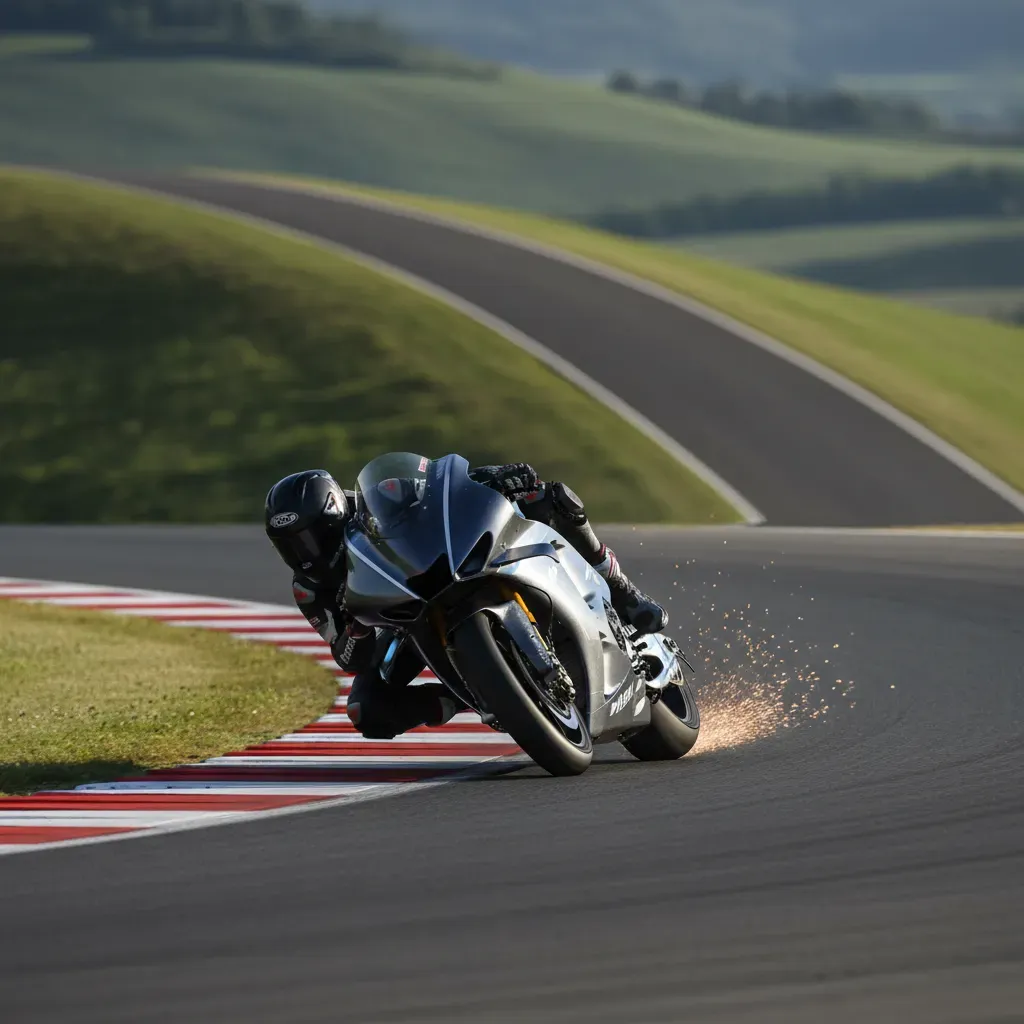
Casanova-Savelli: The Downhill Dance
Later in the first part of the lap, riders face a thrilling downhill section. The Casanova-Savelli corners are a fast right-left flick, taken as the track drops away. It’s a huge challenge because the entry is blind, and the bikes are still settling as the road falls beneath them.
Watching the riders flick their bikes from one side to the other with incredible speed and grace is one of the highlights of a lap at Mugello. It’s a perfect example of the physical effort and skill required to ride a MotoGP machine.
Arrabbiata 1 & 2: The ‘Angry’ Corners
‘Arrabbiata’ means ‘angry’ in Italian, and these two corners live up to the name. They are two incredibly fast, long, sweeping right-hand turns that test a rider’s courage to the limit.
Arrabbiata 1 is taken at immense speed, and Arrabbiata 2 is completely blind as the track goes over a crest. The riders have to trust their instinct and their bike, keeping the throttle open without being able to see where the track goes. It’s a section that separates the good from the great.
How a Mugello Race Unfolds
Races at Mugello are often decided by a combination of raw power and clever race craft. The long straight means that engine performance is crucial, and it often produces spectacular last-lap battles as riders use the slipstream to make a final lunge for victory.
However, it’s not all about Top speedThe fastest a bike goes on a lap, reached at the end of the longest straight — over 360 km/h at the quickest circuits.Read the full guide →. The fast, long corners put a huge amount of stress on the tyres. Riders have to carefully manage their tyre grip throughout the race, ensuring they have enough left for the final few laps. Pushing too hard, too early can leave you struggling for pace at the end.
Home Heroes and Red Dominance
Mugello is home turf for many Italian riders and manufacturers, most notably Ducati. The Bologna-based factory considers this its home Grand Prix, and the passionate Tifosi create a sea of red in support. In recent years, Ducati has dominated here, much to the delight of the local crowd.
For Italian riders like two-time MotoGP champion Francesco ‘Pecco’ Bagnaia and his compatriot Marco Bezzecchi, racing at Mugello is the biggest event of the year. The pressure to perform in front of their home fans is immense, but the feeling of success here is unlike any other.
Tips for Your First Visit
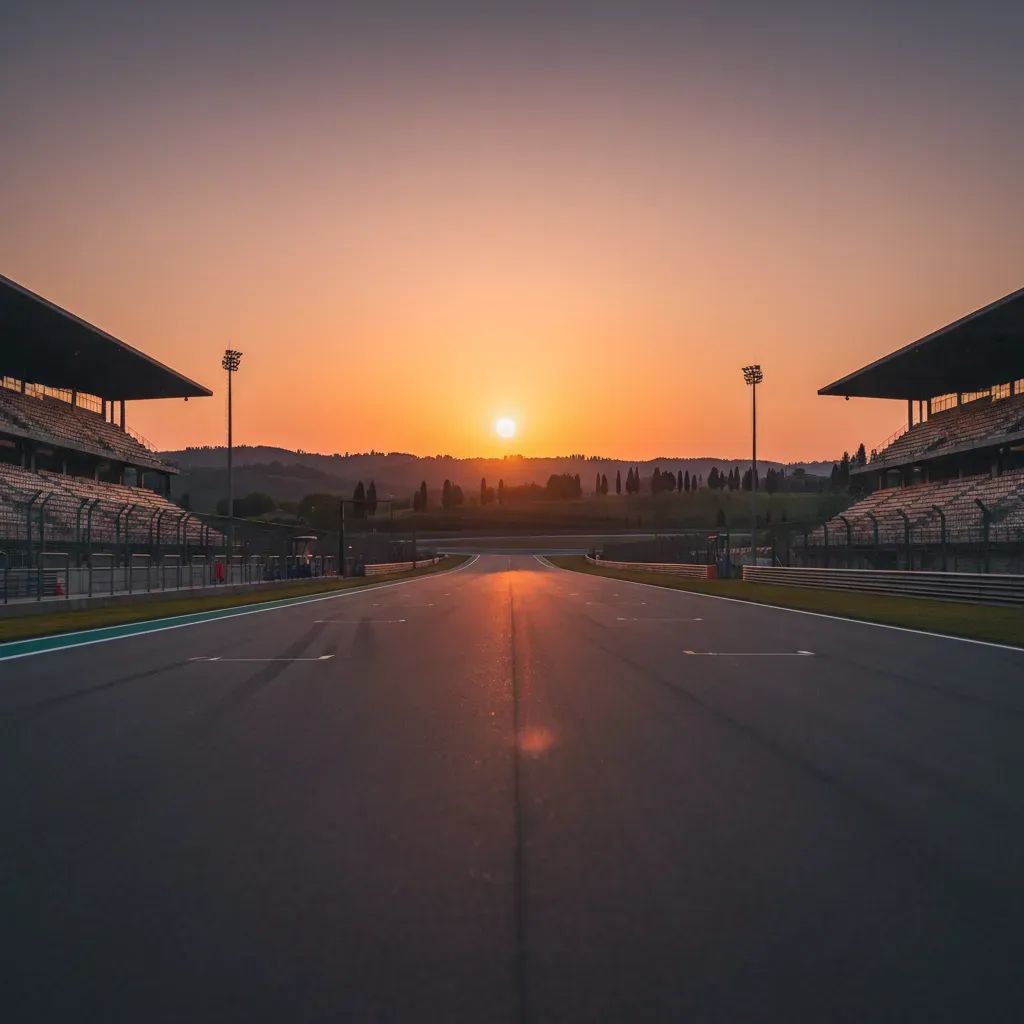
If you’re ever lucky enough to visit, finding a good viewing spot is key. While the main grandstand offers a great view of the start, the Poggio Secco grandstand is a favourite for many. From there, you can see the bikes braking from over 220 mph for Turn 1 and navigating the next few corners.
For the true festival experience, get a general admission ticket and find a spot on one of the grassy hillsides. You’ll be surrounded by the most passionate fans, and the view of the bikes snaking through the green valley is something you’ll never forget.
Quick Takeaways
- Mugello is a fast, flowing track set in the beautiful Tuscan hills, famous for its passionate Italian fans, the ‘Tifosi’.
- The 1.1km main straight is one of the longest in MotoGP, where bikes hit staggering speeds of over 360 km/h (220 mph).
- Key sections include the fast Casanova-Savelli ChicaneA quick sequence of tight, alternating corners (left-right or right-left), often built to slow the bikes down.Read the full guide → and the breathtakingly quick, blind Arrabbiata corners.
- Races are often won and lost with slipstreaming on the main straight, but managing tyre wear through the long corners is just as critical.
- It’s the home race for Italian manufacturer Ducati and riders like Pecco Bagnaia, making it one of the most important events on the calendar.