Tracks
Next Stop: The Grand Prix of Great Britain at Silverstone
Silverstone is one of the fastest, most historic circuits on the calendar. Its flowing layout, born from an old airfield, guarantees thrilling, close racing.
The MotoGP PaddockThe fenced-off working area behind the pits where teams, hospitality and motorhomes are based.Read the full guide → is heading to the heart of British motorsport for the Grand Prix of Great Britain. The venue is Silverstone, a circuit that is both incredibly fast and steeped in history, promising a spectacular weekend of racing for riders and fans alike.
So, what makes Silverstone special?
Unlike many circuits built from scratch, Silverstone began its life as a Royal Air Force bomber station during World War II. This unique heritage is why the track is so flat and wide, using the old runways and perimeter roads as its foundation. It has evolved over the decades, but it has never lost its essential character.
Today, it stands as one of the fastest venues on the entire MotoGP calendar. The combination of long, fast straights and sweeping, high-speed corners demands immense bravery from the riders and a perfectly balanced motorcycle. It’s a classic test of power, skill, and courage.
Where is it and what’s the vibe?
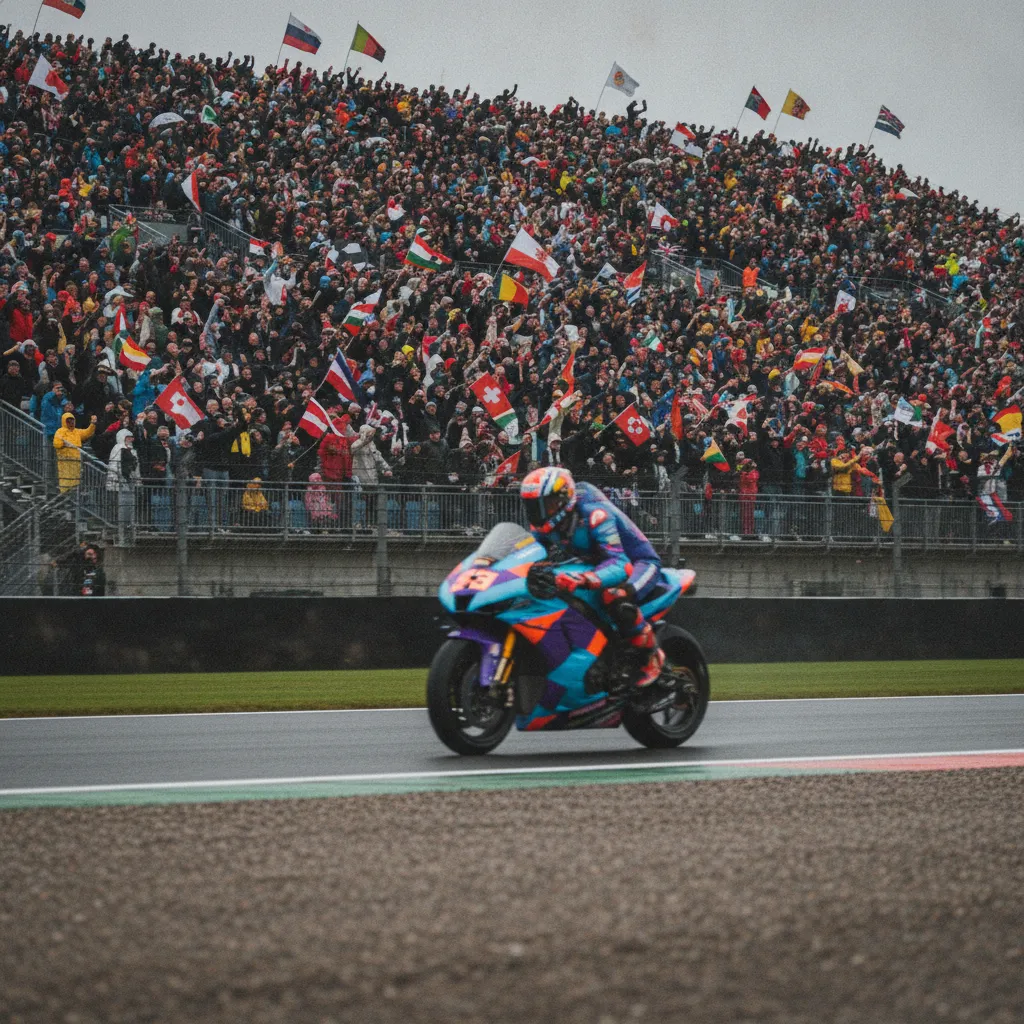
Silverstone is located in Northamptonshire, right in the middle of England’s ‘Motorsport Valley’, where many top racing teams are based. This central location makes it a pilgrimage site for British fans, who turn out in huge numbers every year, creating a fantastic, festival-like atmosphere.
The British crowd is famously passionate and knowledgeable, and their support creates a real buzz around the whole event. The one thing you can never rely on, however, is the weather. Sunshine, clouds, and sudden downpours can all feature in a single afternoon, adding a layer of thrilling unpredictability to the proceedings.
Which corners should I watch out for?
Silverstone is packed with famous sections, but a few stand out. The most iconic is the Maggotts and Becketts complex. This is not a single corner but a breathtakingly fast sequence of left-right-left-right sweeps that riders take at incredible speeds. Watching a MotoGP bike flick from one side to the other here is like watching a fighter jet navigate an obstacle course; it’s a pure display of rider skill and machine agility.
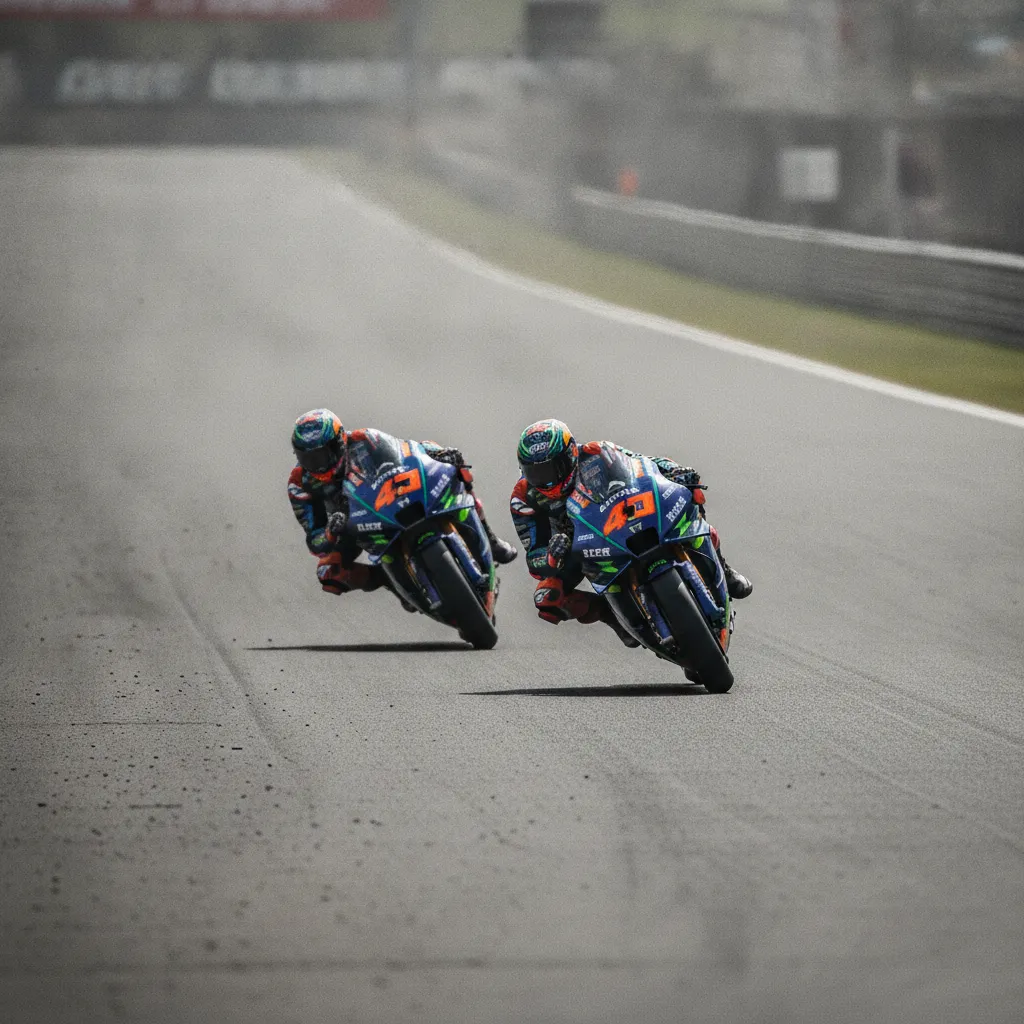
After that, the bikes accelerate hard down the Hangar Straight, one of the fastest parts of the track. Here you’ll see riders use the SlipstreamThe pocket of calmer air directly behind another bike. Sitting in it means less wind resistance — so you can carry more speed for free.Read the full guide → – tucking in behind the bike in front to reduce air resistance and gain a speed advantage – to set up an overtake into the next corner.
That next corner is Stowe, a fast and challenging right-hander that requires heavy braking from over 200 mph. It’s a classic overtaking spot where many races have been won and lost. Finally, the slow, looping Luffield complex that leads back onto the start-finish straight is crucial for getting a good lap time, as a strong exit is vital for carrying speed all the way to the line.
What kind of racing does Silverstone produce?
The track’s layout naturally encourages close, exciting racing. Its width allows for multiple racing lines, meaning riders can try different approaches to corners to find a way past their rivals. The long straights and heavy braking zones are perfect invitations for overtaking manoeuvres.
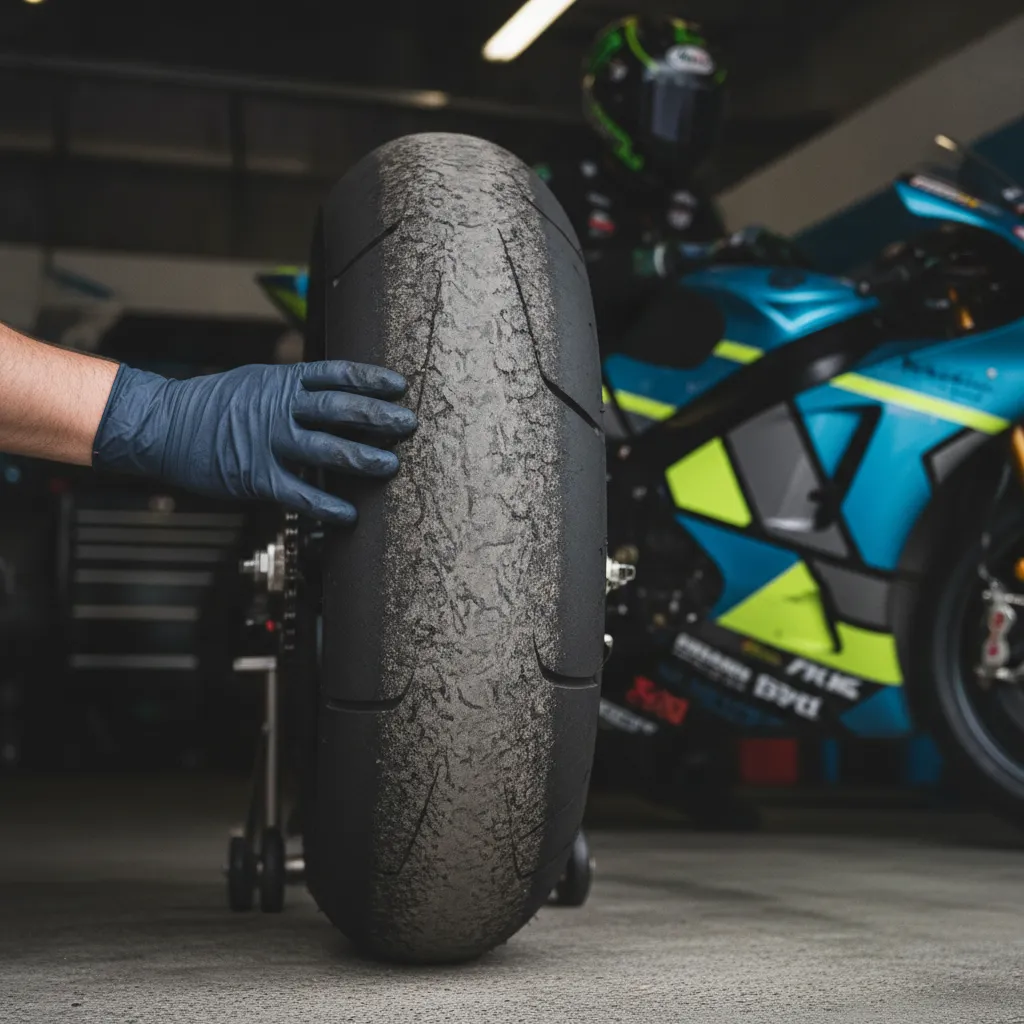
One of the biggest technical challenges is tyre management. The high average speeds and long, fast corners put enormous energy and stress through the rubber. Riders have to be smart and smooth to ensure their tyres still have enough grip left for the final, decisive laps of the race. A rider who is too aggressive early on may find themselves struggling for pace at the end.
And, of course, there’s the weather. A sudden shower can throw every team’s strategy into chaos. If it rains mid-race, officials will declare a ‘Flag-to-flagA race where the weather changes and riders pit to switch bikes without the race stopping.Read the full guide →’ race, which allows riders to come into the Pit laneThe slow lane beside the track where teams work on the bikes and riders enter and exit.Read the full guide → to swap to their second bike fitted with wet-weather tyres. This can completely shuffle the order and often leads to surprise results.
Any tips for a first-time viewer?
When watching the race, keep an eye on the slipstream effect on the long straights. You’ll see the rider behind seem to get sucked towards the one in front before pulling out to make a pass. Also, watch how different riders tackle the Maggotts and Becketts section; some will be smoother, while others might be more aggressive.
Pay attention to the riders’ body language on the bike. You can see them fighting to keep the machine under control under braking and wrestling it from side to side through the fast changes of direction. It’s a physical battle, and Silverstone is one of the most demanding circuits of all.
Quick Takeaways
- Silverstone is a very fast, flat, and flowing circuit built on a former airfield.
- The Maggotts and Becketts complex is one of the most spectacular sequences of corners in all of motorsport.
- Its layout with long straights and wide corners creates fantastic opportunities for overtaking.
- The unpredictable British weather is often a major factor, capable of turning a race on its head in an instant.
Quick questions
- Q.How long is the Silverstone circuit for MotoGP?
- The Grand Prix layout of the Silverstone circuit used for MotoGP is 5.9 kilometres (approximately 3.67 miles) long, making it one of the longest on the calendar.
- Q.Why is the British weather so important at Silverstone?
- The weather is famously unpredictable. A sudden rain shower can force riders to change bikes and strategy mid-race, often completely shaking up the results and favouring certain riders.
- Q.What makes the corners Maggotts and Becketts so famous?
- It's an incredibly fast and technical sequence of left-right-left corners. Riders change direction at very high speed, showcasing incredible skill and the bike's agility.
- Q.Is Silverstone a good track for overtaking?
- Yes, its long straights allow for slipstreaming, and the heavy braking zones into corners like Stowe and Vale provide excellent opportunities for riders to pass each other.