Tracks
Red Bull Ring Guide: A Beginner’s View of the Austrian GP
The Red Bull Ring is a high-speed circuit in the Austrian mountains, famous for its long straights, heavy braking, and dramatic elevation changes.
Independent fan site — not affiliated with MotoGP or MotoGP Sports Entertainment Group (formerly Dorna). Written by AI from official data and fact-checked: how this article was made.
Austrian Grand Prix
Red Bull Ring
A short, dramatic circuit set in the Styrian mountains — just a handful of corners linked by steep uphill straights and brutal downhill braking zones. Pure stop-and-go, and hard on brakes.
Schematic layout · not to scale
Watch the braking into Turn 3. The bikes rocket uphill flat out, then have to scrub off huge speed for a tight right — brakes glow, riders dive-bomb, and it's one of the best overtaking spots on the lap. Follow that corner.
Nestled in the stunning Styrian mountains of Austria, the Red Bull Ring is one of the most picturesque and explosive circuits on the MotoGP calendar. It’s a track of contrasts: breathtakingly fast straights that suddenly demand immense braking power for tight, slow corners. This unique character makes it a favourite for fans and a formidable challenge for riders.
Unlike sprawling, complex circuits, the Red Bull Ring has a relatively simple layout with just a handful of corners. But don’t let that fool you. Its secret weapon is its dramatic elevation change and its ‘stop-and-go’ nature, which always produces thrilling, close-quarters racing.
Where is the Red Bull Ring?
The circuit is located near the town of Spielberg in Styria, Austria. Its setting is a huge part of its appeal. Built within a natural valley, the track feels like a giant amphitheatre, offering spectators incredible views from almost any vantage point. This layout means you can often see large sections of the track at once, making it a fantastic place to watch a race unfold.
The atmosphere is typically electric, with passionate fans creating a festival-like environment. The track’s modern facilities and beautiful surroundings combine to make the Austrian Grand Prix a standout event of the season.
What makes the track layout special?
The Red Bull Ring is all about horsepower and braking. The layout consists of three long straights, punctuated by a series of slow, tight corners. This means riders spend a lot of time at full throttle before slamming on the brakes to navigate a sharp turn, only to accelerate hard out of it again. This places huge demands on the bike’s engine, brakes, and tyres.
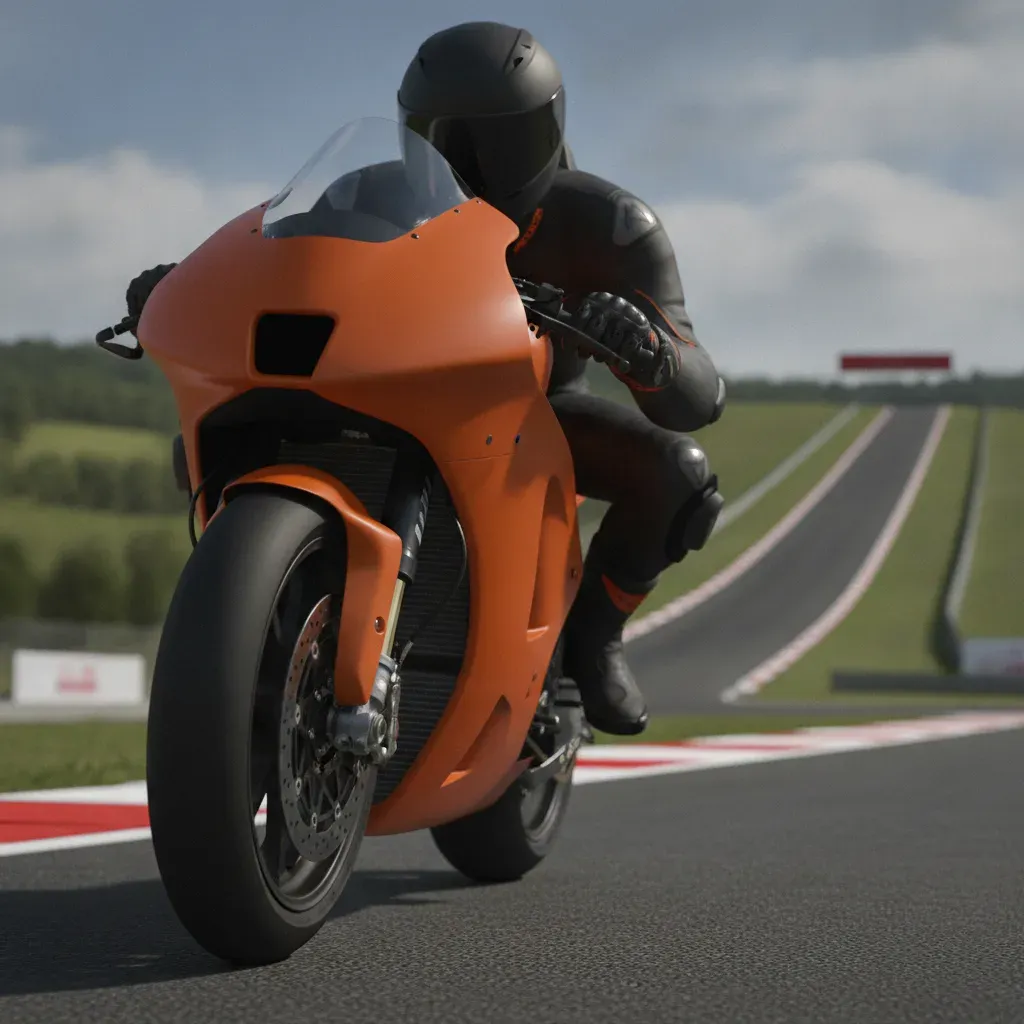
Adding to the challenge is the elevation. The track climbs and falls significantly, most notably on the steep run up to Turn 3. This isn’t just a visual spectacle; riding uphill into a heavy braking zone is a unique test of a rider’s skill and courage, as judging the braking point becomes incredibly difficult.
Which corners are the most famous?
While the track has few corners, several are iconic. Turn 1, named the ‘Niki Lauda Kurve’, is a sharp, uphill right-hander at the end of the main straight. It’s a prime spot for overtaking, as riders dive out of the SlipstreamThe pocket of calmer air directly behind another bike. Sitting in it means less wind resistance — so you can carry more speed for free.Read the full guide → to try and out-brake their rivals.
Perhaps the most famous section is the approach to Turn 3. After a short straight, riders charge up a fearsomely steep hill before braking hard for another tight right-hand corner. It’s a visually stunning part of the track and a place where many races have been won and lost.
To improve safety, a ChicaneA quick sequence of tight, alternating corners (left-right or right-left), often built to slow the bikes down.Read the full guide → was added in 2022 at the old Turn 2 kink, on the climb from Turn 1 up to Turn 3, to slow the bikes before they reach Turn 3. This quick right-left flick has created another hard braking point and a new overtaking opportunity, testing the agility of the bikes.
The final two corners, Turns 9 and 10, are a pair of right-handers that lead back onto the start-finish straight. Getting a perfect drive through here is crucial for carrying speed down the straight, either to defend a position or to set up a last-lap attack.
What kind of racing does it produce?
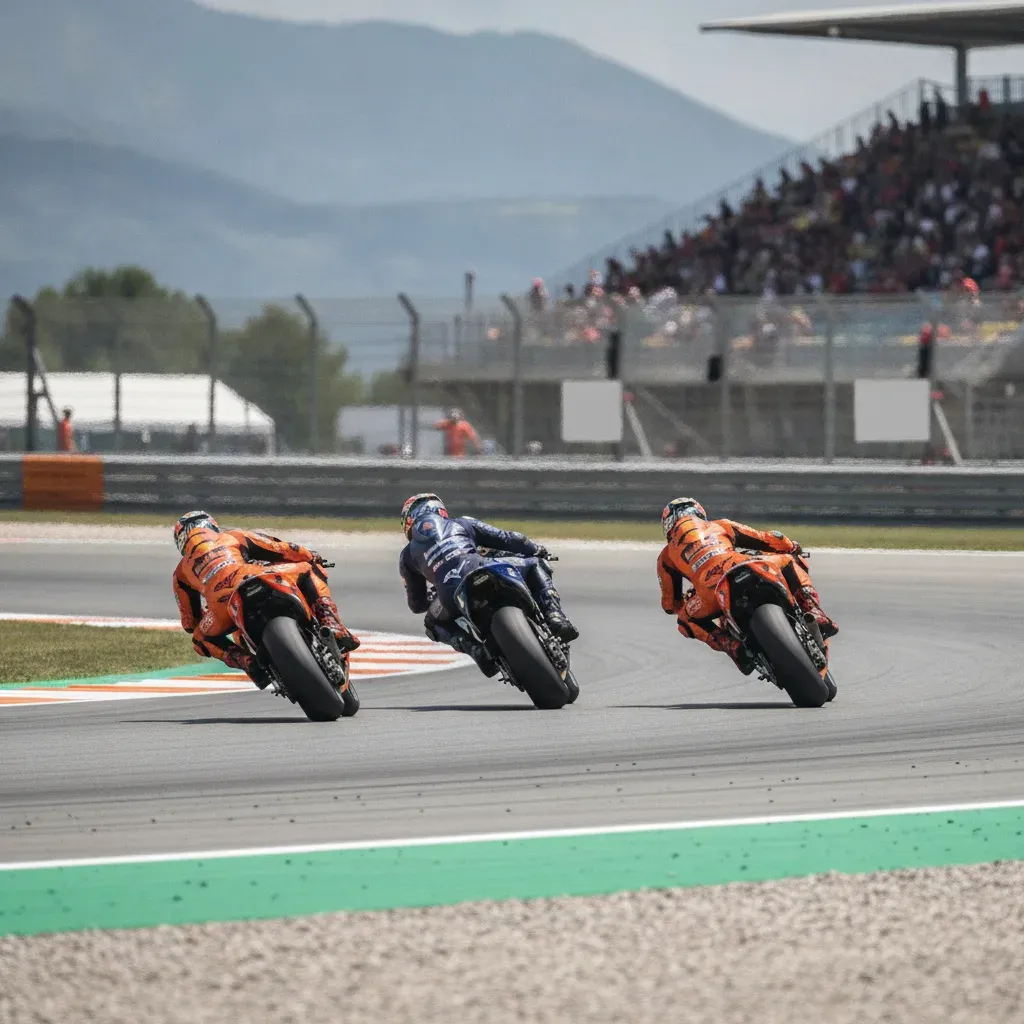
The Red Bull Ring is a recipe for thrilling battles. The long straights allow for plenty of ‘slipstreaming’. This is a technique where a rider tucks in right behind the bike in front, using the pocket of low air resistance to gain a speed advantage before pulling out to overtake.
Because of this, you often see groups of riders battling together, constantly swapping positions on the straights. The heavy braking zones also mean that late, daring overtaking moves are common. Races here often go down to the very last lap, with the winner sometimes decided in a drag race to the finish line.
How can I watch a race here as a beginner?
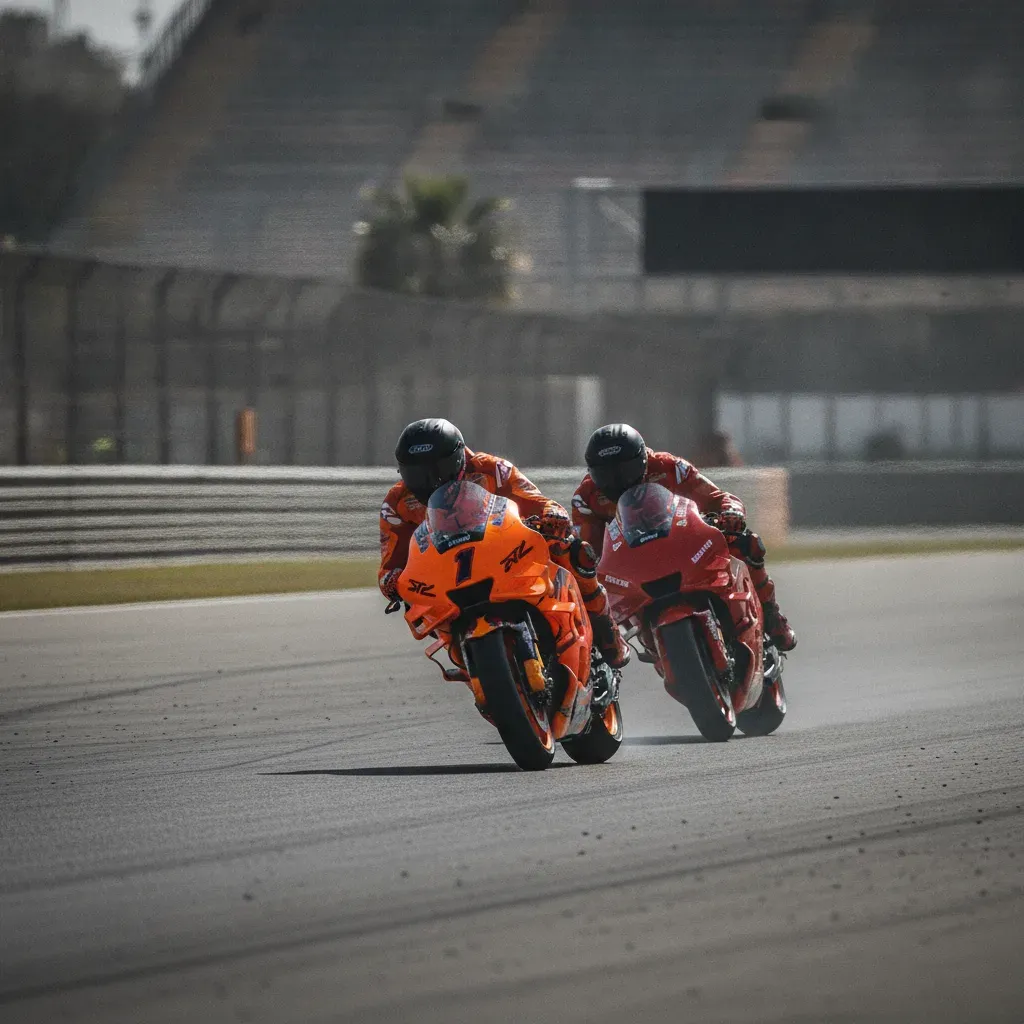
When watching the Austrian GP, pay close attention to the braking zones into Turns 1, 3, and the new chicane. This is where most of the action happens. Watch how late the riders dare to brake as they fight for position.
Also, keep an eye on the corner exits. You can really see the power of a MotoGP bike as the riders get on the throttle, with the rear tyre often fighting for grip. On the final lap, watch the run out of the last corner – a good exit can be the difference between winning and losing.
Quick Takeaways
- It’s a ‘stop-and-go’ track: The layout is defined by long, fast straights followed by slow, tight corners.
- Horsepower and brakes are key: Success requires a powerful engine for the straights and brilliant brakes for the corners.
- Elevation creates a unique challenge: The steep uphill and downhill sections, especially the climb to Turn 3, are a signature feature.
- Expect close racing: The layout encourages slipstreaming, leading to fantastic group battles and last-lap drama.
Quick questions
- Q.What is the Red Bull Ring's main characteristic?
- Its "stop-and-go" nature, with long, fast straights followed by very tight, slow corners that demand extremely heavy braking and powerful acceleration.
- Q.Why is elevation change important here?
- The dramatic uphill and downhill sections, especially the steep climb to Turn 3, challenge riders' braking points and the bike's stability, creating unique racing scenarios.
- Q.What is slipstreaming?
- It's a technique where a rider follows closely behind another on a straight to reduce wind resistance, allowing them to gain a speed advantage for an overtake.
- Q.Is the Austrian GP a good event for spectators?
- Yes, its location in a natural valley, or amphitheatre, provides many spectator areas with excellent, wide-ranging views of multiple sections of the track at once.