Tracks
Sepang Track Guide: A Beginner’s Look at the Malaysian GP
The Sepang International Circuit is a modern classic, known for its wide layout, long straights, and intense tropical weather that challenges riders and machines.
Malaysian Grand Prix
Sepang International Circuit
A long, wide circuit and a favourite pre-season test venue — sweeping stadium corners and two big straights, all raced in extreme tropical heat and the ever-present threat of an afternoon downpour.
Schematic layout · not to scale
Watch the last corner, Turn 15. A long right that opens onto the main straight — a strong exit lets a rider slipstream past before the line, so it's where late-race moves are set up. Follow that corner.
The Sepang International Circuit is a beast. Opened in 1999, it quickly became a favourite for riders and a formidable challenge for engineers. Located near Malaysia’s Kuala Lumpur airport, it’s a modern track defined by its sheer width, two incredibly long straights, and a punishing combination of fast, flowing corners and tight, technical sections.
But more than anything, Sepang is famous for its climate. The oppressive heat and extreme humidity make it arguably the most physically demanding event on the entire MotoGP calendar. This, combined with the constant threat of a sudden tropical downpour, makes the Malaysian Grand Prix one of the most unpredictable races of the year.
Where is Sepang and what’s the atmosphere like?
Situated just outside the bustling capital of Kuala Lumpur, the circuit is easy to access and draws a hugely passionate local crowd. The grandstands are often packed with fans who bring incredible energy to the race weekend, creating a vibrant and noisy atmosphere.
However, the star of the show is always the weather. Temperatures on the track surface can soar above 50°C, pushing the bikes’ cooling systems and, more importantly, the riders’ physical endurance to the absolute limit. Dehydration and fatigue are serious concerns, and you’ll often see riders using special cooling vests before the race begins.
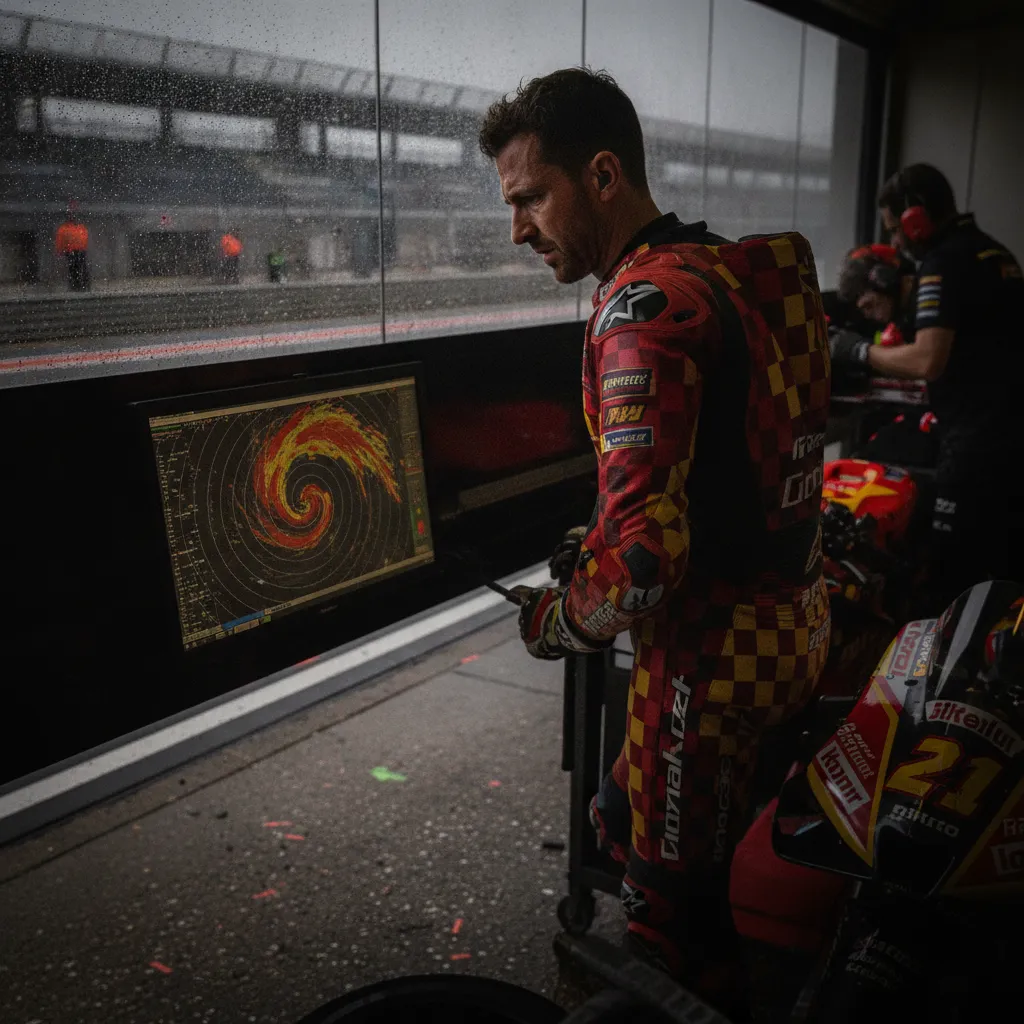
Then there’s the rain. A bright, sunny day can turn into a torrential thunderstorm in minutes. This threat keeps teams and riders on their toes, as a sudden downpour can completely change the race, forcing riders to pit and swap to bikes with wet-weather tyres.
What makes the layout so challenging?
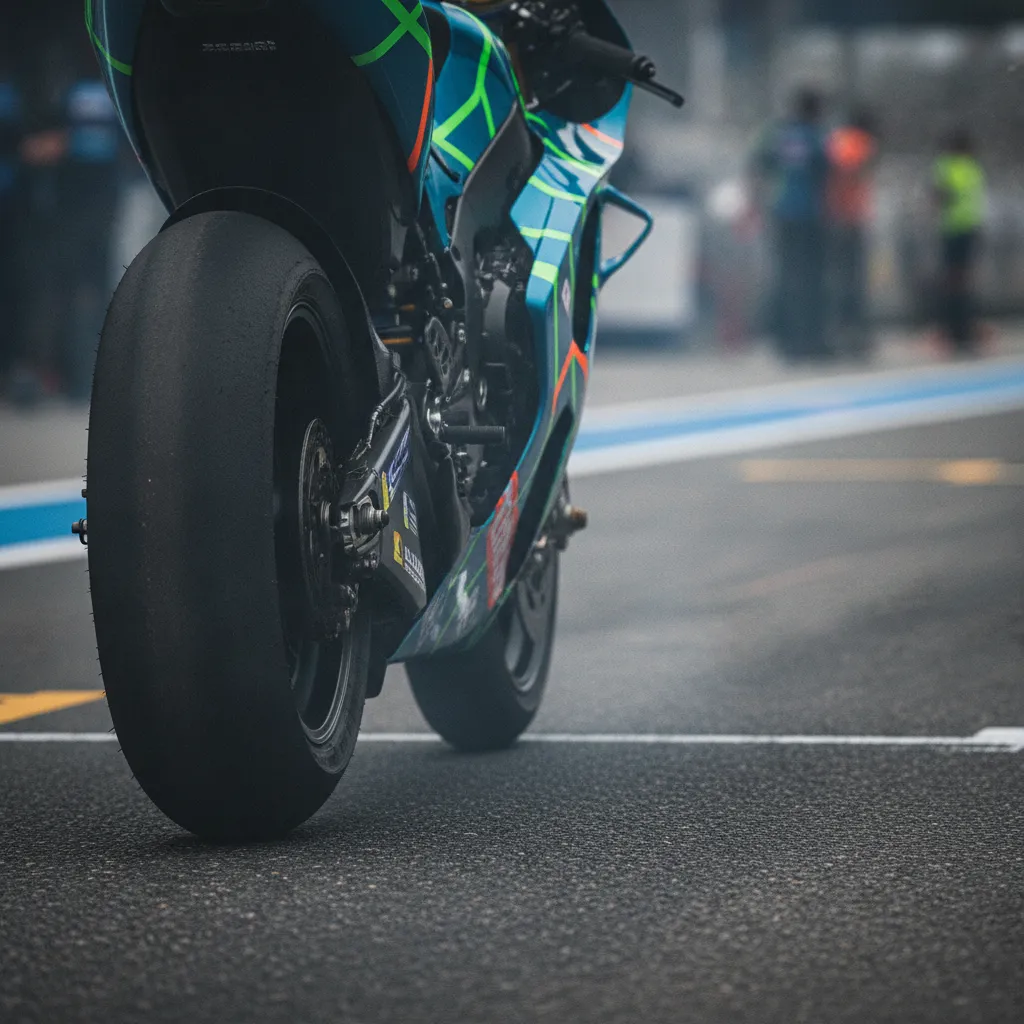
Sepang was designed to produce exciting racing. Its most notable feature is the pair of massive straights, each almost a kilometre long, that run parallel to each other. These are connected at one end by a fast, sweeping corner and at the other by a very slow, tight hairpin. This layout creates huge opportunities for SlipstreamThe pocket of calmer air directly behind another bike. Sitting in it means less wind resistance — so you can carry more speed for free.Read the full guide → (where a rider tucks in behind another to gain a speed advantage) and dramatic overtaking under braking.
The track is also exceptionally wide. This gives riders multiple options for their Dry lineThe strip of track that dries first as rubber and warmth build up, giving the most grip.Read the full guide →, which is the path they take through a corner. It allows for creative overtaking manoeuvres and side-by-side battles that might not be possible on older, narrower circuits.
This combination of long straights and a mix of corner types presents a real puzzle for the teams. They have to find a setup that gives the bike enough top speed for the straights without sacrificing its ability to turn quickly and brake effectively for the slower sections. It’s a delicate balancing act.
Which corners should I watch out for?
While the whole lap is a test, a few corners are famous for producing action and highlighting rider skill.
First up are Turns 1 and 2. After the long start-finish straight, riders brake incredibly hard for a slow, tightening right-hand corner that immediately flows into a left. It’s a classic bottleneck on the opening lap and a prime spot to see riders jostling for position.
Next, the complex at Turns 5 and 6 is a high-speed, flowing section where riders flick the bike from one side to the other. A bike that handles well will gain a lot of time here, and it’s a pure test of a rider’s confidence and precision.
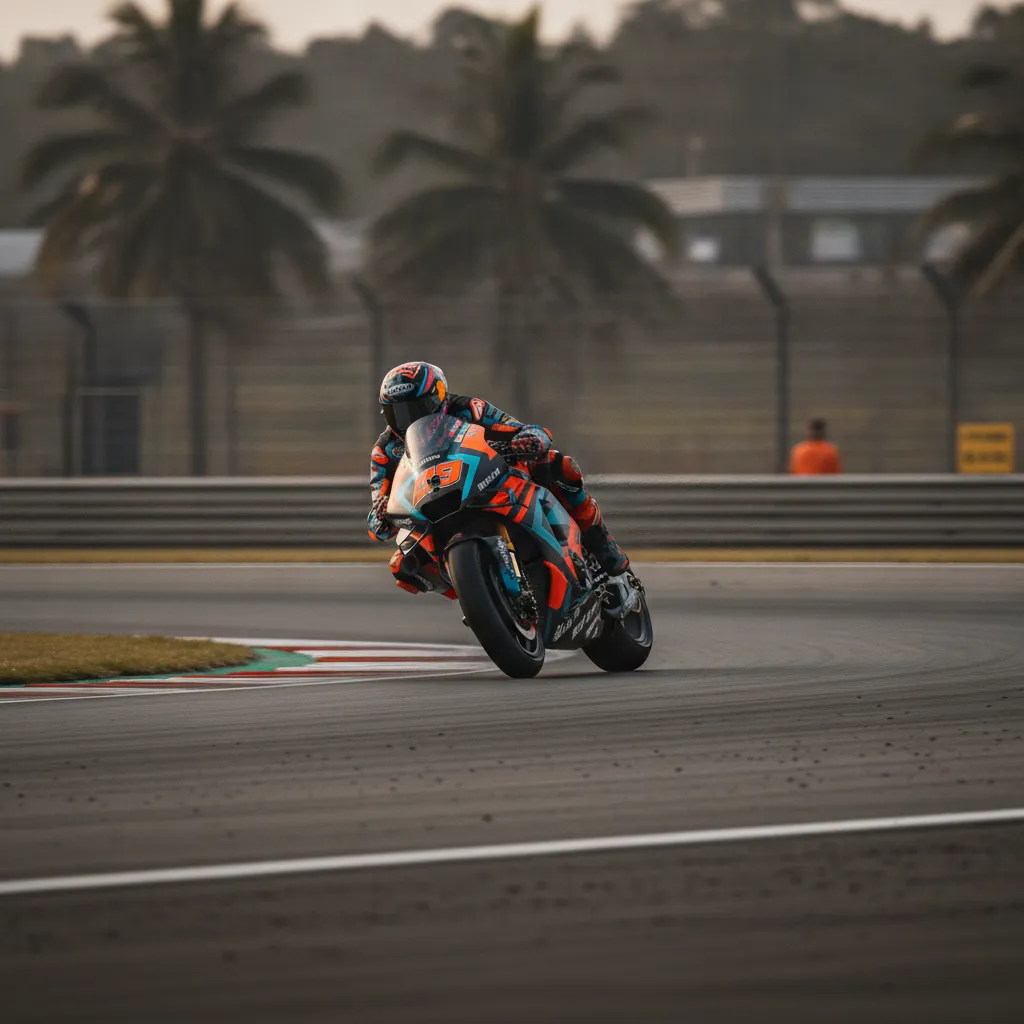
Finally, there’s the iconic Turn 15. This is the final corner, a very tight hairpin that leads back onto the start-finish straight. After the immense speed of the back straight, riders have to brake as late as possible to try and out-manoeuvre their rivals. Countless races have been won and lost with a brave, last-lap lunge into this very corner.
What kind of racing does Sepang produce?
Sepang is all about strategy and endurance. The high temperatures mean that tyre management is absolutely critical. The soft, grippy rubber wears out very quickly in the heat, so riders who push too hard at the beginning often find themselves struggling for grip towards the end of the race.
The long straights guarantee close racing, as the slipstream effect keeps the bikes bunched together. This often leads to thrilling battles that are only decided by a last-gasp overtake into the final corner.
And if it rains, all bets are off. A wet race at Sepang is chaotic, testing a rider’s skill in slippery conditions and rewarding teams who can make the right strategy call at the right time. It can lead to surprise winners and dramatic turnarounds in the championship.
Any tips for watching my first Malaysian Grand Prix?
When you watch the race, pay close attention to the braking zones at the end of the two big straights—that’s where most of the action will be. Watch how late the top riders dare to brake into Turn 1 and Turn 15.
Listen to what the commentators say about tyre choice and tyre wear. You’ll start to notice how a rider’s pace might drop off in the final few laps as their tyres lose performance.
And always, always keep an eye on the sky. If you see dark clouds gathering in the background, you know that the race could be turned on its head at any moment.
Quick Takeaways
- Sepang is a wide, modern circuit defined by two long straights and a challenging mix of fast and slow corners.
- The extreme heat, humidity, and constant threat of sudden rain make it one of the most physically and strategically demanding races of the season.
- Tyre wear is a massive factor; riders must conserve their rubber in the intense heat to be competitive at the end.
- The final hairpin (Turn 15) is one of MotoGP’s most famous overtaking spots, often deciding the race on the very last lap.
Quick questions
- Q.Why is the Sepang track so wide?
- It was designed in the late 1990s with modern racing in mind. The width encourages different racing lines and creates more side-by-side action and overtaking opportunities.
- Q.What is a 'hairpin' corner in racing?
- A hairpin is a very tight corner that doubles back on itself, resembling a hairpin from above. It forces riders to slow down dramatically before accelerating hard on the exit.
- Q.How does the intense heat affect the riders?
- The combination of high temperatures and humidity can cause severe dehydration and physical exhaustion, making the Malaysian GP one of the most gruelling races on the calendar.
- Q.When did Sepang first host a MotoGP race?
- The Sepang International Circuit first hosted a motorcycle Grand Prix in 1999, the same year the track was completed.