Beginner Guides
Sprint vs Sunday Race: What’s the Difference in MotoGP?
New to MotoGP? We explain the difference between the fast and furious Saturday Sprint and the main Sunday Grand Prix, from points to race strategy.
Independent fan site — not affiliated with MotoGP or MotoGP Sports Entertainment Group (formerly Dorna). Written by AI from official data and fact-checked: how this article was made.
Welcome to the Thrill of a MotoGP Weekend
If you’re just getting into the incredible world of MotoGP, you might have noticed that the action isn’t just limited to Sunday. The race weekend is now a two-part spectacle, with a short, sharp race on Saturday and the main event on Sunday. So, what’s the deal with these two different races?
Think of it like a blockbuster film having a thrilling short film released the day before. Both are exciting, but they tell different parts of the story and have different stakes. Let’s break down the Saturday Sprint raceA short Saturday race over half the distance, awarding points to the top nine finishers.Read the full guide → and the Sunday Grand Prix so you know exactly what you’re watching.
The Main Event: The Sunday Grand Prix
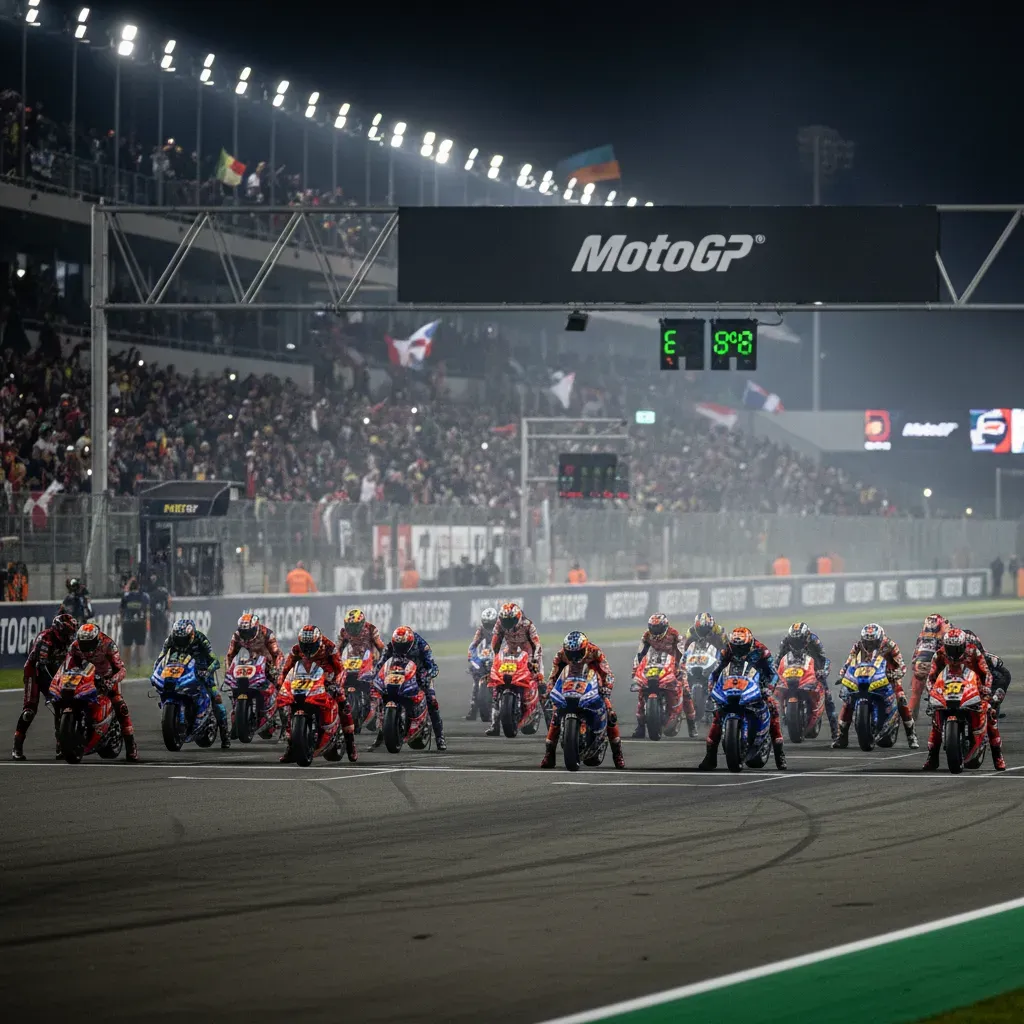
For decades, the Sunday race has been the heart and soul of a MotoGP weekend. This is the Grand Prix, the traditional, full-length race that crowns the ultimate winner of the event. It’s the one that riders and teams have always built their entire weekend around.
A Grand Prix is a test of endurance, strategy, and skill over a longer distance, typically around 40-45 minutes. Riders have to manage their tyres, their fuel, and their physical energy to be competitive right to the final lap. Winning a Grand Prix is the biggest prize on offer each weekend.
Points are awarded to the top 15 finishers, with a full 25 points for the winner. These points are crucial as they all add up to decide who will be crowned the MotoGP World Champion at the end of the season. This is the main battle, the one for all the glory.
The New Kid on the Block: The Saturday Sprint
Introduced recently to shake things up, the Sprint is a short, explosive race held on Saturday afternoon. As the name suggests, it’s an all-out dash from start to finish. There’s no time for careful planning; it’s pure, aggressive racing.
The Sprint is roughly half the distance of the main Grand Prix. This means riders can push their bikes and tyres to the absolute limit from the moment the lights go out. It’s designed to be a shot of pure adrenaline for fans, adding a massive dose of excitement to Saturday.
Because it’s a shorter race, a different points system is used. Points are only awarded to the top nine finishers, with the winner receiving 12 points – roughly half of a Grand Prix win. These are valuable extra points that can make a huge difference in the championship standings.
How Do They Compare? Strategy, Grids, and Stakes
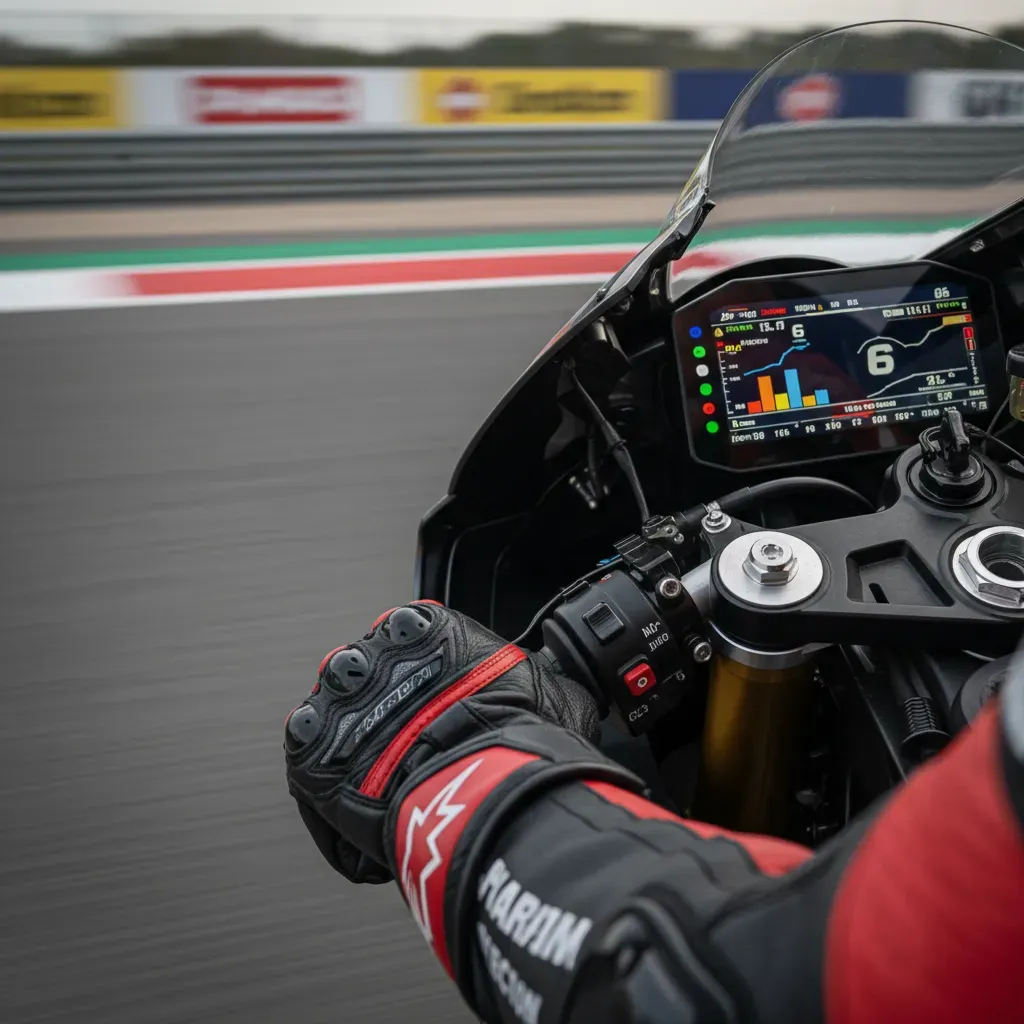
While both races feature the same riders on the same bikes, the way they are raced is completely different. The shorter distance of the Sprint changes everything.
Race Strategy and Rider Mentality
In the Sunday Grand Prix, a rider must be calculated. They think about preserving their tyres, saving fuel, and choosing the perfect moment to attack. It’s a mental game of chess played at over 200 miles per hour.
The Sprint, however, is a bar fight. With no need to conserve anything, riders are aggressive from the very first corner. You’ll often see more daring overtakes and risk-taking. A rider like the young sensation Pedro Acosta, known for his fearless style, might throw caution to the wind in a Sprint, knowing he has a clean slate for Sunday’s main event.
The Starting Grid: A Common Thread
This is a super important point: the result of the Saturday Sprint has no effect on the starting order for the Sunday race. The starting lineup for both races is decided during the QualifyingThe timed sessions that set the starting order, split into Q1 and Q2 for the front rows.Read the full guide → sessions held earlier in the weekend.
A rider’s best lap time in qualifying determines their grid position, which is simply their starting spot on the track for the race. So, if a rider qualifies in first place (known as Pole positionFirst place on the starting grid, earned by the fastest qualifying lap.Read the full guide →), they will start at the very front for both the Sprint on Saturday and the Grand Prix on Sunday, regardless of where they finish in the Sprint.
Why Bother with the Sprint?
So why did MotoGP add it? The main reason was to make Saturdays more meaningful for the fans. It provides a whole new spectacle and a chance to see riders battling for championship points a day early.
For the riders and teams, it’s another opportunity. A rider who has a bad race on Sunday can still come away from the weekend with some valuable points from the Sprint. It adds another layer of drama and unpredictability to the championship fight.
Two Races, One Incredible Weekend
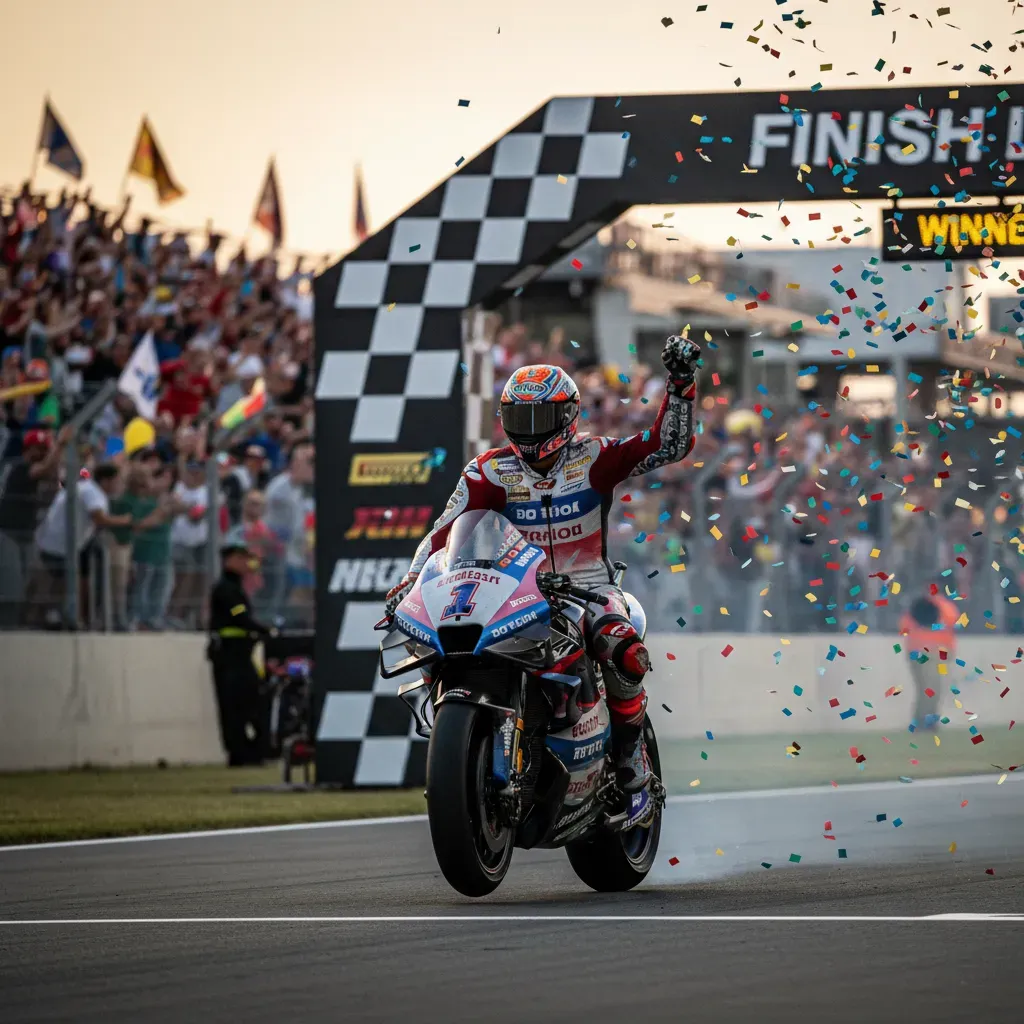
The Sprint and the Grand Prix work together to create a complete story over the race weekend. The Sprint is the explosive opening act, full of drama and flat-out action, setting the tone for what’s to come.
The Grand Prix is the main feature, where strategy, endurance, and pressure combine to decide the ultimate hero of the weekend. Now you know the difference, you can enjoy every moment of the action, from the first sprint to the final chequered flag.
Quick Takeaways
- The Saturday Sprint is a short, half-distance race with half-points awarded to the top nine riders. It’s an all-out attack from start to finish.
- The Sunday Grand Prix is the main event. It’s a full-length race where strategy is key, and full championship points are awarded to the top fifteen.
- The finishing order of the Sprint race does not change the starting grid for Sunday’s Grand Prix. Qualifying determines the starting position for both races.
- The Sprint was introduced to add more excitement to Saturday and give riders another chance to score championship points.