News
British Legend Barry Sheene Inducted into MotoGP Hall of Fame
British racing icon and two-time 500cc World Champion Barry Sheene has been posthumously inducted into the MotoGP Hall of Fame, honouring his incredible legacy.
Independent fan site — not affiliated with MotoGP or MotoGP Sports Entertainment Group (formerly Dorna). Written by AI from official data and fact-checked: how this article was made.
British motorcycle racing legend Barry Sheene has been officially and posthumously inducted into the MotoGP Hall of Fame. The two-time 500cc World Champion is celebrated not only for his incredible success on the track but for a personality that brought the sport to a massive new audience.
This honour places him alongside the absolute titans of motorcycle racing, cementing a legacy that has endured long after his final race.
Who was Barry Sheene?
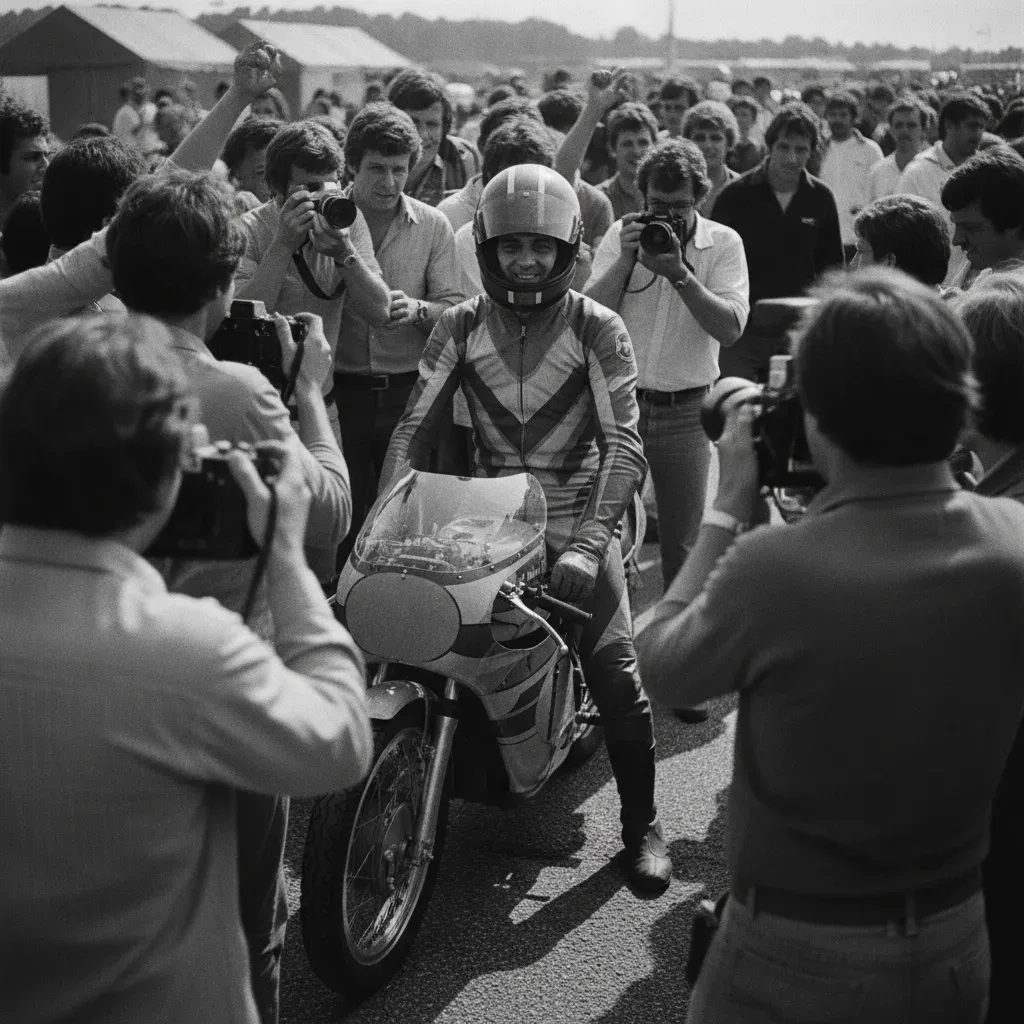
Barry Sheene was a British motorcycle racer from London who became one of the sport’s first true global superstars in the 1970s. He was a household name, famous well beyond the confines of the racetrack, known for his charisma, wit, and playboy lifestyle.
On the track, he was a formidable competitor, winning back-to-back 500cc World Championships in 1976 and 1977. The 500cc class was the top tier of Grand Prix racing at the time, the direct predecessor to today’s MotoGP. The bikes were notoriously difficult, powerful two-stroke machines with no electronic aids, demanding immense skill and bravery from their riders.
Sheene’s success, particularly his domination with the Suzuki factory team, made him a national hero in Britain. To this day, he remains the last British rider to have won the premier-class world title.
Why was he so important to the sport?
Sheene’s influence went far beyond his championship trophies. He was a pioneer who understood the power of media and sponsorship, helping to transform motorcycle racing from a niche interest into a mainstream television spectacle.
His legacy is also deeply connected to rider safety. Sheene survived two horrific, high-speed crashes—one at Daytona in 1975 and another at Silverstone in 1982—that would have ended the careers of most riders. His body was famously held together with numerous metal plates and screws.
His incredible and well-publicised recoveries from these injuries showcased his immense toughness and determination. More importantly, he used his high profile to campaign tirelessly for improved safety standards, better medical facilities at circuits, and safer track design, changes that have undoubtedly saved lives and benefit every rider on the grid today.
What does this Hall of Fame induction mean?
Being named a ‘MotoGP Legend’ and inducted into the Hall of Fame is the highest honour the sport can bestow upon a rider. It recognises a competitor’s entire contribution—their championships, their personality, and their lasting impact on the world of motorcycle racing.
For Sheene, this posthumous award acknowledges that his influence is still felt decades later. It places him in an exclusive group that includes riders like Giacomo Agostini, Mick Doohan, and Valentino Rossi, confirming his status as one of the all-time greats.
For new fans, understanding Sheene’s story provides crucial context for the sport’s history. He represents an era of raw, unfiltered racing and helped build the foundations of the professional, global championship we enjoy today.
What was his racing style like?
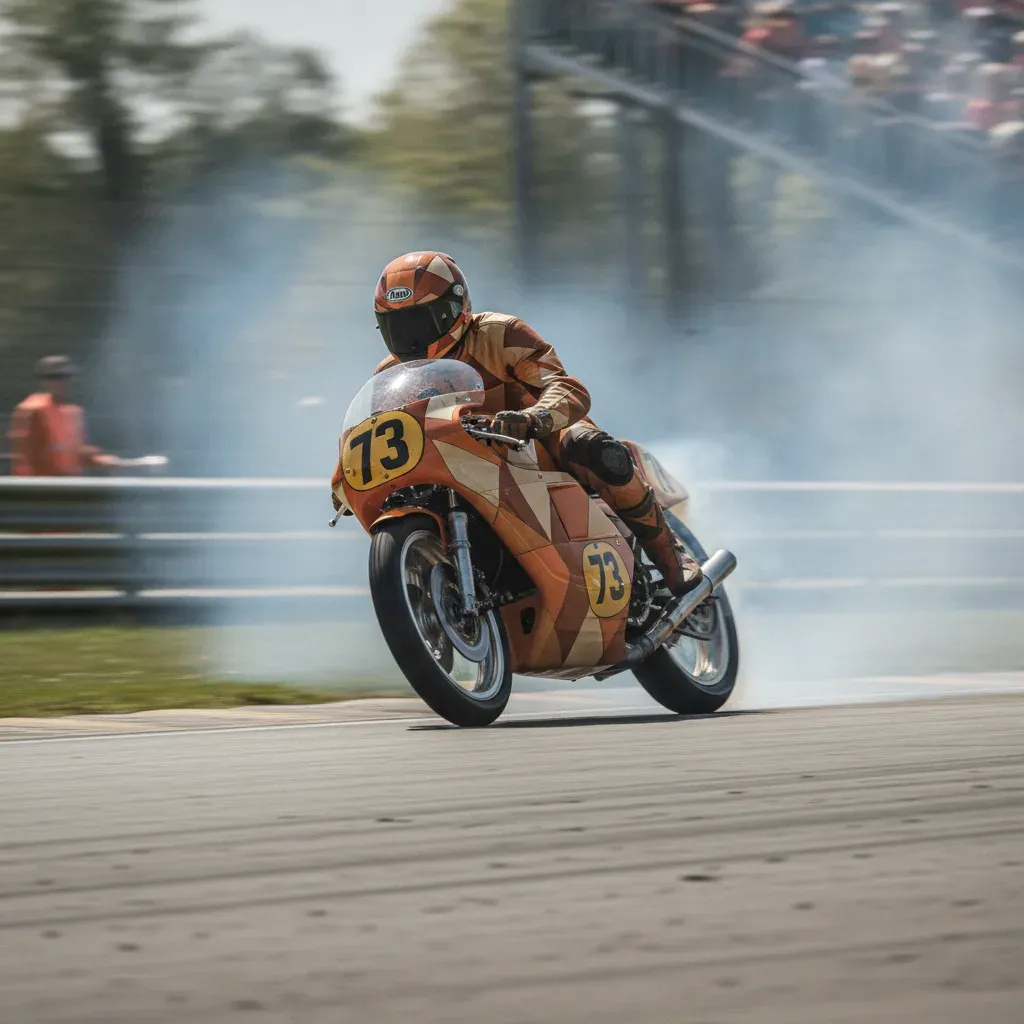
Sheene raced in a brutally analogue era. There were no traction control systems or anti-wheelie functions; success was purely down to a rider’s feel for the throttle and their courage on the brakes. His partnership with Suzuki and their RG500 bike is one of the most iconic in the sport’s history.
He was known for a smooth, precise style, but he was also a fierce competitor who was never afraid of a close battle on track. His on-track identity was unmistakable, thanks to his famous helmet featuring a Donald Duck cartoon and his trademark race number, 7.
This combination of on-track grit and off-track charm is what made him a legend. He was a world-class athlete who never lost his sense of fun, a quality that endeared him to millions.
Quick Takeaways
- Two-time British World Champion Barry Sheene has been named a ‘MotoGP Legend’.
- He won the 500cc title in 1976 and 1977 and remains the last British premier-class champion.
- Sheene was a huge celebrity who helped make motorcycle racing popular with a mainstream audience.
- He was a key figure in campaigning for better rider safety after surviving career-threatening crashes.
- His induction into the Hall of Fame celebrates his entire legacy, both on and off the track.
Quick questions
- Q.What was the 500cc class?
- The 500cc class was the premier category of Grand Prix motorcycle racing from 1949 until 2002, when it was replaced by the modern MotoGP class. It was famous for its powerful and difficult-to-ride two-stroke engine bikes.
- Q.What does it mean to be inducted into the MotoGP Hall of Fame?
- It is the highest honour in the sport, awarded to a select group of riders who have made an exceptional and lasting impact on motorcycle Grand Prix racing through their success and influence.
- Q.Why was Barry Sheene so famous for his crashes?
- He survived two exceptionally severe, high-speed accidents at Daytona (1975) and Silverstone (1982). His remarkable determination to recover and return to racing after such life-threatening injuries became a key part of his legend.
- Q.Who was the last British rider to win the premier-class title?
- Barry Sheene was the last rider from Great Britain to win the premier-class (500cc/MotoGP) World Championship, securing his final title in 1977.