Beginner Guides
A MotoGP Race Weekend: An Hour-by-Hour Fan Guide
Ever wondered what happens during a MotoGP weekend? Our hour-by-hour guide walks you through every session, from Friday practice to the Sunday race.
Welcome to the Greatest Show on Two Wheels
So, you’ve seen a MotoGP race on television and thought, “Wow, that looks incredible!” You’re right, it is. But a Grand Prix isn’t just the one race you see on Sunday. It’s a thrilling, three-day festival of speed, strategy, and sound that builds to an incredible crescendo.
Think of it like a story with three acts. Friday is the setup, Saturday is the rising action, and Sunday is the grand finale. Let’s walk through a typical European race weekend together, hour by hour, so you know exactly what’s happening and why.
Friday: The Learning Day
Friday is all about finding your feet. The teams and riders arrive at a new circuit and have to get everything dialled in. The atmosphere is a little more relaxed, but the work being done is absolutely critical for the rest of the weekend.
Friday Morning: Practice 1 (P1)
The gates open and the first sounds you’ll hear are from the smaller Moto3 and Moto2 bikes. Around mid-morning, the main event begins. The MotoGP bikes, the most powerful racing motorcycles on the planet, roar out of their garages for their first 45-minute session.
The goal here isn’t to be the fastest just yet. Riders are getting a feel for the track’s grip and bumps, while engineers gather data to find a good ‘base setup’. A setup is simply the combination of all the adjustments you can make to a bike – like its suspension, electronics, and WingletsSmall wings on the bodywork that create downforce to keep the front wheel down and improve stability.Read the full guide → – to make it work perfectly for that specific track and rider.
Friday Afternoon: Practice
After a lunch break and engineering meetings, the bikes are back out for a longer, 60-minute session. This one has a huge sting in its tail. The top ten fastest riders at the end of this session get a golden ticket straight into the main QualifyingThe timed sessions that set the starting order, split into Q1 and Q2 for the front rows.Read the full guide → shootout on Saturday.
For the first 45 minutes, riders work on their bike’s behaviour with used tyres, simulating race conditions. But in the final 15 minutes, the mood shifts. Mechanics fit brand-new, soft-compound tyres that offer incredible grip for just one or two laps. Riders go for a ‘time attack’, pushing to their absolute limit to secure a top-ten time. It’s frantic, exciting, and our first real glimpse of the weekend’s pecking order.
Friday Evening: The Debrief
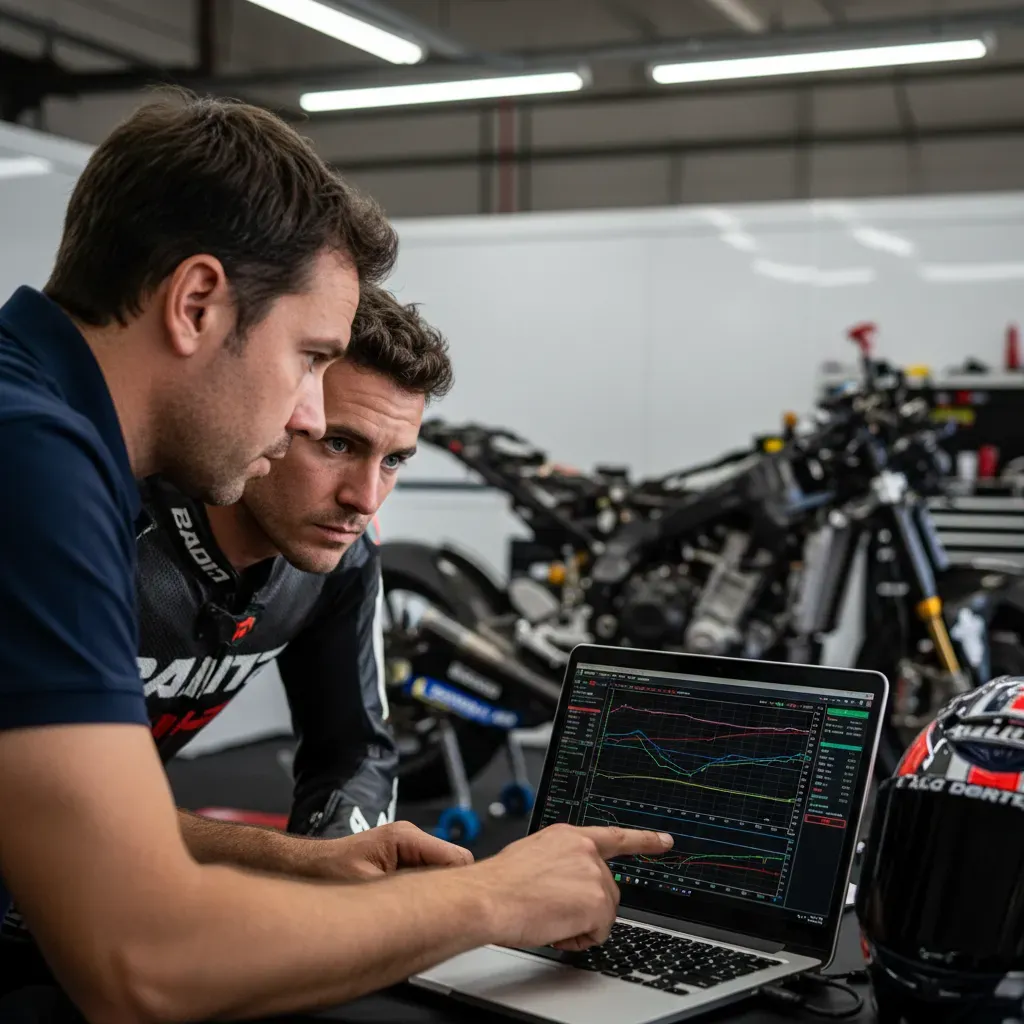
Once the engines fall silent, the most important work of the day begins. The rider sits down with their crew chief and a team of engineers in the back of the garage. They analyse telemetry – a stream of data from hundreds of sensors on the bike – which shows them exactly what the bike was doing at every single point on the track.
The rider gives their feedback (“The bike won’t turn in corner three,” or “I’m losing grip at the rear”), and the engineers match that feeling to the data on their screens. Together, they form a plan and decide on changes to the bike’s setup for Saturday morning. This conversation can make or break a weekend.
Saturday: The Deciding Day
Saturday is when the pressure really ramps up. The morning is for final preparations, but the afternoon is all about pure, blistering speed. This is the day that decides where everyone starts the race.
Saturday Morning: Free Practice 2 (FP2)
This 30-minute session is the last chance to test changes made overnight. It’s not about setting a headline-grabbing lap time. Instead, teams focus on ‘race pace’ – how consistently they can lap with older tyres to understand how the bike will behave in the second half of Sunday’s Grand Prix.
Saturday Afternoon: Qualifying (Q1 & Q2)
This is it: the battle for the best spot on the starting grid. MotoGP uses a brilliant two-part system that creates non-stop drama.
First up is Qualifying 1 (Q1). This 15-minute session features all the riders who finished 11th or lower in Friday’s PracticeSessions before qualifying where riders set up the bike; the combined times decide who goes straight to Q2.Read the full guide → session. They all fight it out, and only the two fastest riders get to advance to the next stage. For everyone else, their starting position is set.
Next comes Qualifying 2 (Q2). This is the main event. The top ten riders from Friday are joined by the two fastest from Q1. They have 15 minutes to set the fastest single lap they possibly can. The rider who comes out on top wins ‘Pole positionFirst place on the starting grid, earned by the fastest qualifying lap.Read the full guide →’ – the very front spot on the grid for both the Sprint raceA short Saturday race over half the distance, awarding points to the top nine finishers.Read the full guide → and the main Grand Prix.
Saturday Late Afternoon: The Sprint
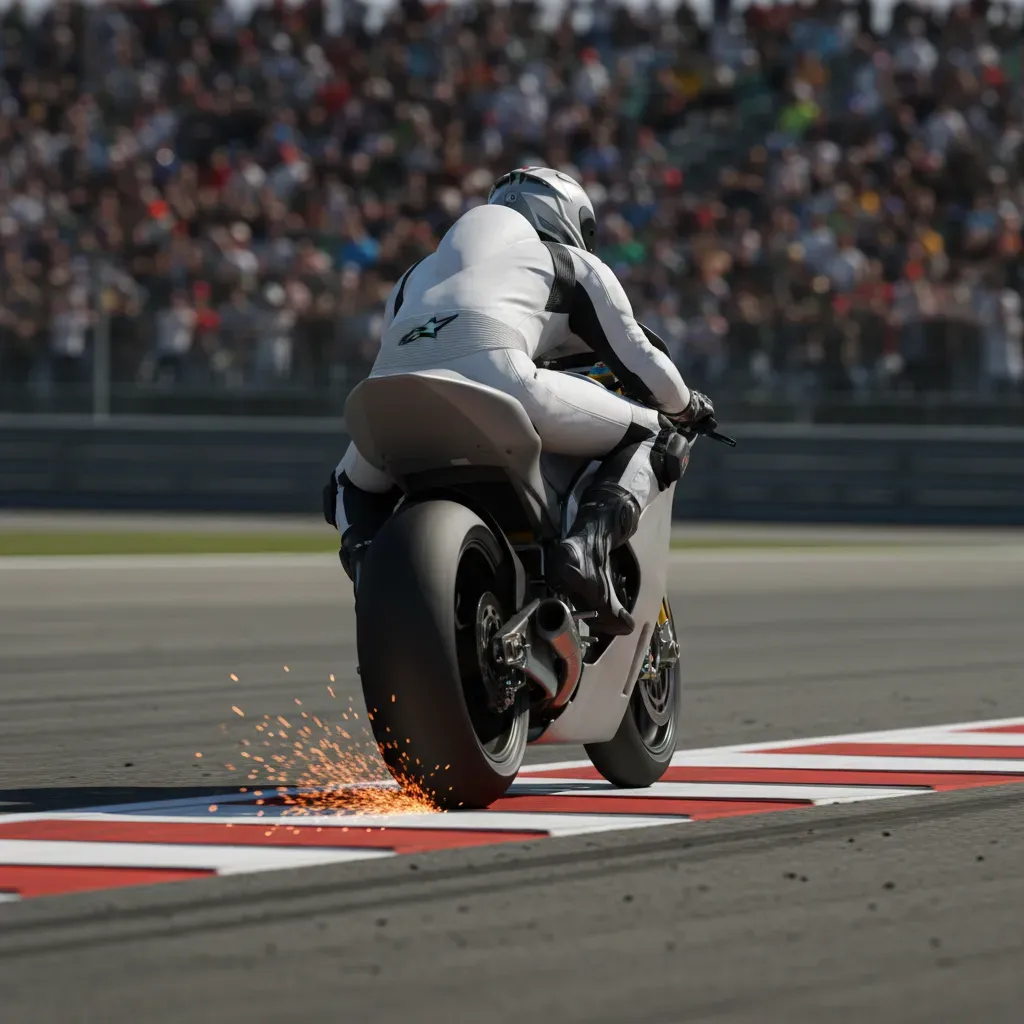
As if qualifying wasn’t enough, Saturday now features a short, sharp race called the Sprint. It’s held over half the distance of the main Grand Prix, and riders who finish in the top nine are awarded half points for the championship.
There’s no time for strategy or saving tyres here; it’s a flat-out dash from start to finish. The Sprint has added a huge amount of action to Saturdays, giving fans a proper race to enjoy a day early.
Sunday: The Main Event
This is what it has all been building towards. The atmosphere on a Sunday is electric. The grandstands are packed, the air is thick with anticipation, and everyone is ready for the Grand Prix.
Sunday Morning: The Build-Up
If you’re at the track, the morning is a great time to explore. Fan zones are buzzing with music and events, you can buy team merchandise, and soak up the incredible atmosphere as tens of thousands of fans pour into the circuit.
Back on track, the riders have one final, 10-minute session called the Warm Up. This is just a last-minute systems check to ensure the bike, often in its final race trim, is feeling perfect. It’s also a final opportunity to check the weather and make a crucial decision on which tyre compounds to use for the race.
Sunday Lunchtime: The Pre-Race Show
Before the main event, the riders often take part in a Riders’ Parade, touring the circuit on the back of a truck or classic cars to wave to the fans. It’s a wonderful tradition that connects the sport’s heroes with the passionate crowd.
Sunday Afternoon: The Grid
Minutes before the race, the bikes are wheeled onto the starting grid and lined up in the positions they earned in qualifying. The grid is a scene of organised chaos – mechanics make final adjustments, television crews interview riders, and VIPs wander around. For the riders, it’s a moment of intense focus as they try to block out the noise and prepare for the start.
After a few minutes, a signal is given, and the mechanics leave. The riders set off on one final, gentle lap called the ‘formation lap’ to warm their tyres before returning to their grid slots. Then, the tension peaks.
Lights Out! The Grand Prix
The red lights come on… they hold… and then they go out! Twenty-two 300-horsepower machines unleash a deafening roar and rocket towards the first corner. For the next 45 minutes, riders will battle wheel-to-wheel at over 200 mph in the ultimate test of skill, bravery, and endurance.
After the Chequered Flag: The Podium
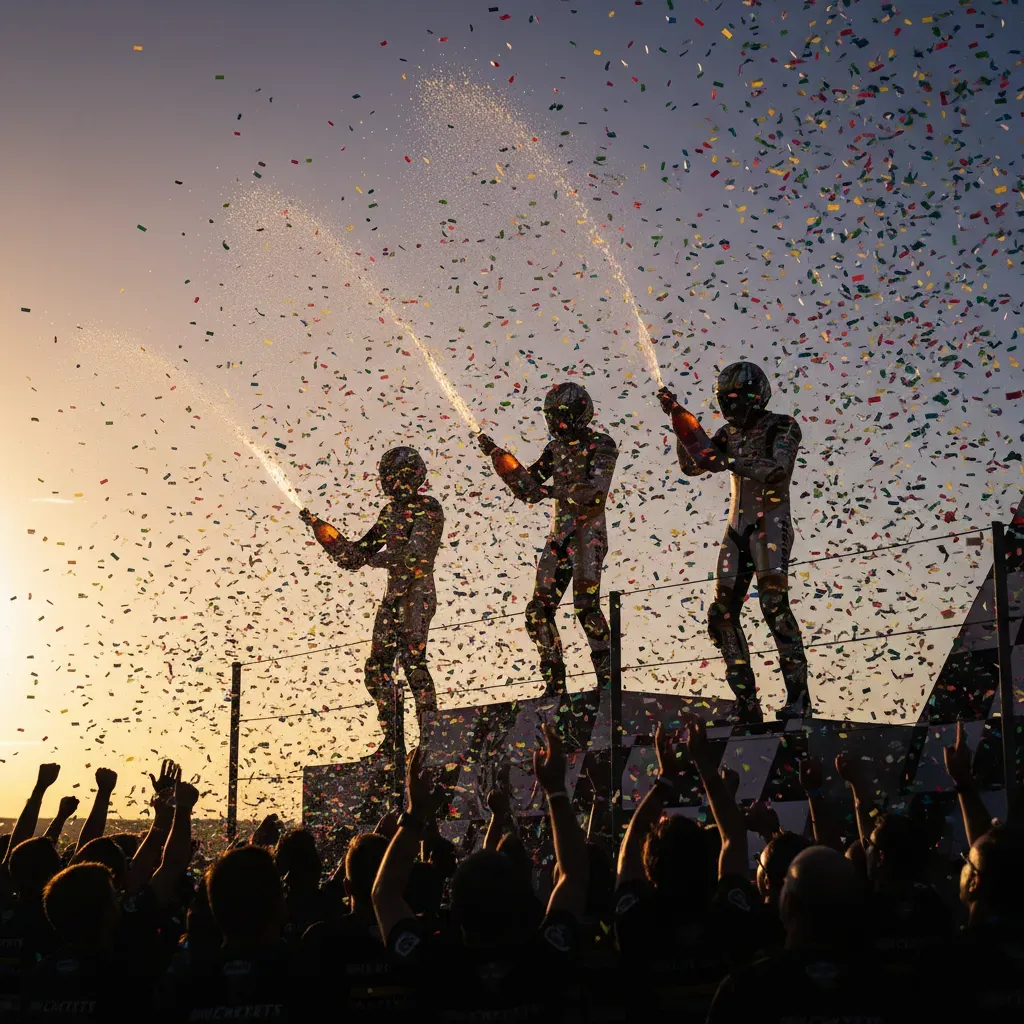
When the winner crosses the line, they take a ‘cool-down lap’, waving to the cheering crowds and celebrating with their team. The top three riders then head to the podium for the iconic ceremony. They receive their trophies, listen to the national anthems, and finish by spraying champagne (or a non-alcoholic equivalent) over each other and the jubilant team members below. It’s the perfect, celebratory end to an unforgettable weekend.
Quick Takeaways
- A MotoGP weekend is a three-day event, not just a single race on Sunday.
- Friday is for practice and finding a good bike ‘setup’, with a crucial time attack at the end of the day.
- Saturday is all about raw speed, with Qualifying setting the grid and a short, intense Sprint race for points.
- Sunday is the main event, featuring the full-length Grand Prix race and the iconic podium celebration.