Beginner Guides
MotoGP, Moto2, Moto3: The Classes Explained
Confused by MotoGP, Moto2, and Moto3? Our jargon-free guide explains the Grand Prix racing ladder, from lightweight bikes to prototype monsters.
Independent fan site — not affiliated with MotoGP or MotoGP Sports Entertainment Group (formerly Dorna). Written by AI from official data and fact-checked: how this article was made.
Your Guide to the Grand Prix Ladder
When you tune into a Grand Prix race weekend, you might notice there isn’t just one motorcycle race. There are actually three, and they represent different rungs on a ladder that riders climb to reach the very top of the sport.
This structure is often called a feeder series, which is simply a system of lower-level championships designed to prepare and discover talent for the main event. Think of it like the junior leagues in football, where young players prove themselves before getting called up to the big team. Let’s break down each step, starting from the bottom.
Moto3: The Proving Ground for Young Talent
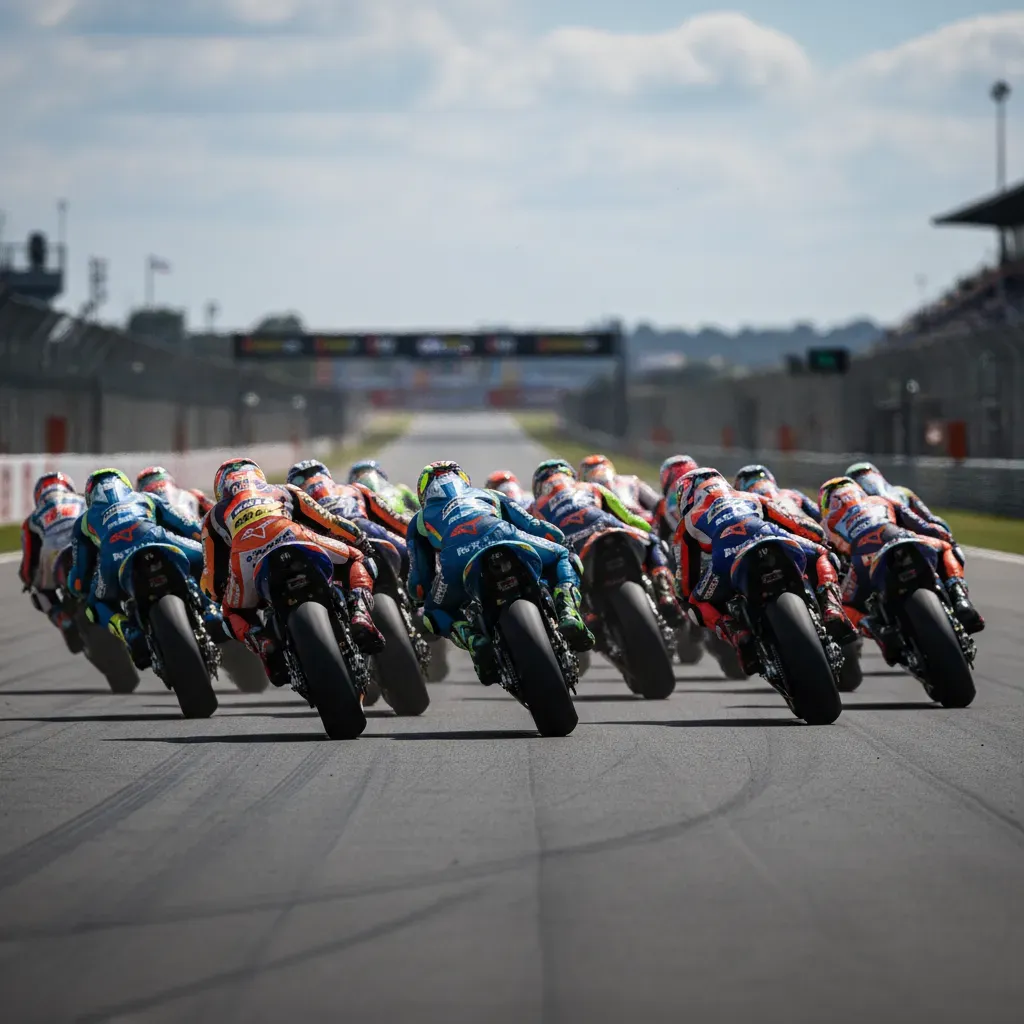
Moto3 is the entry point into the Grand Prix world. It’s where the youngest, most ambitious riders from all over the globe come to make a name for themselves. The minimum age is 18 (or 17 for the top finishers in the official junior championships), so it’s packed with fearless young riders.
The Bikes
The motorcycles in Moto3 are the smallest and least powerful of the three classes. They use 250cc single-cylinder, four-stroke engines. While that might sound small, these are purebred racing machines – incredibly lightweight and agile, designed for one thing only: going fast around corners.
The Racing
The racing in Moto3 is famous for being incredibly close and often chaotic. Because the bikes have less power, the aerodynamic effect of SlipstreamThe pocket of calmer air directly behind another bike. Sitting in it means less wind resistance — so you can carry more speed for free.Read the full guide → (tucking in right behind another rider to cut through the air with less resistance) is huge. This means you often see enormous packs of 10 or 15 riders all battling for the lead at once.
Overtaking is constant, and races are frequently won by just a few thousandths of a second. It’s a spectacular, high-stakes game of chess at 150 mph, and it’s the perfect place for young riders to learn race craft and how to handle intense pressure.
Moto2: The Ultimate Test of Rider Skill
Once a rider has proven their talent in Moto3, the next step is the intermediate class: Moto2. This is a crucial stepping stone, bridging the gap between the lightweight Moto3 bikes and the monsters of the top class.
The Bikes
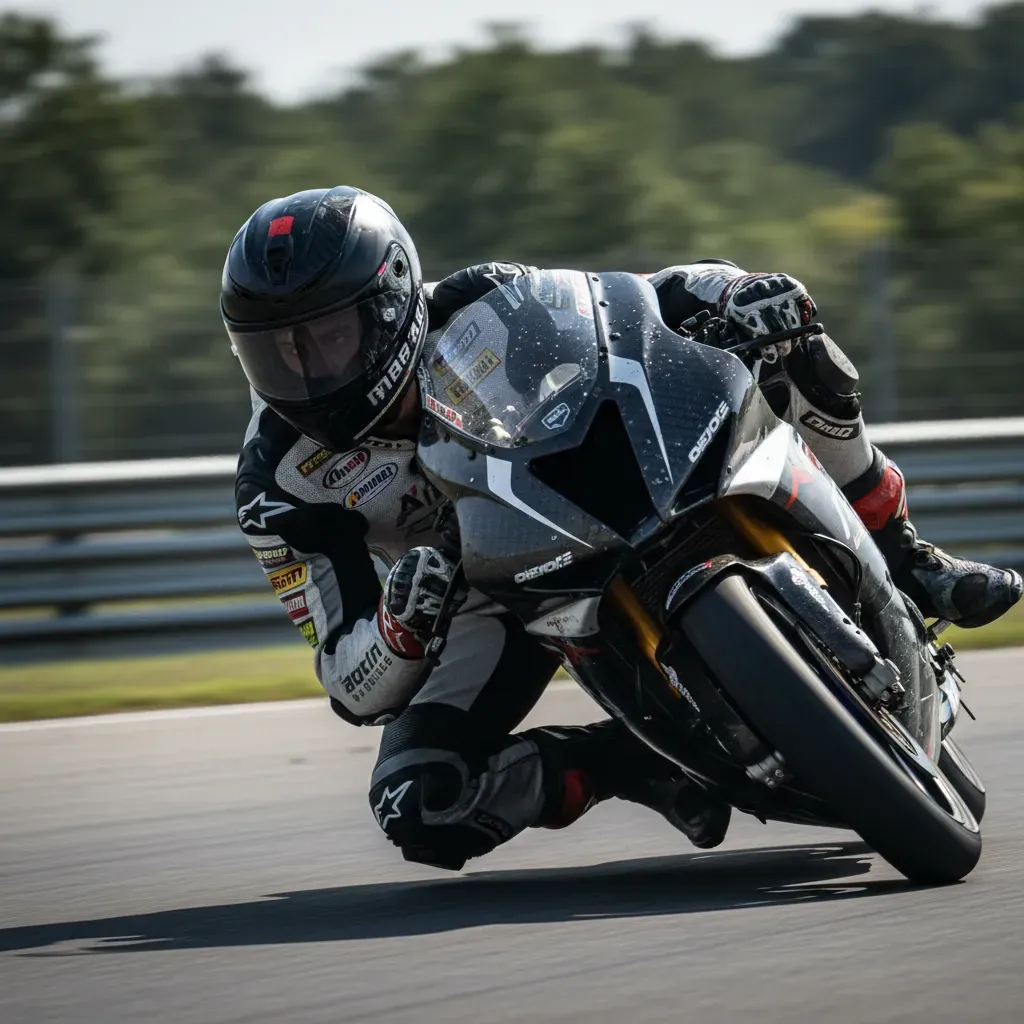
Moto2 bikes are a significant step up in every way. They are bigger, heavier, and much more powerful, using 765cc three-cylinder engines supplied by a single manufacturer (currently Triumph). This is the most important rule in the class: every team uses the exact same engine.
The Racing
Because everyone has the same power, the focus shifts entirely to two things: the team’s ability to set up the bike’s frame and suspension, and, most importantly, the rider’s raw talent. There’s no hiding in Moto2; if you’re fast, it’s because you are a truly skilled rider, not because your bike has a more powerful engine.
The racing is still incredibly competitive, but the huge slipstreaming packs of Moto3 are gone. The extra power and weight demand a smoother, more precise riding style. Riders learn how to manage tyres over a race distance and how to handle a machine that behaves much more like a top-tier bike.
MotoGP: The Pinnacle of Motorcycle Racing
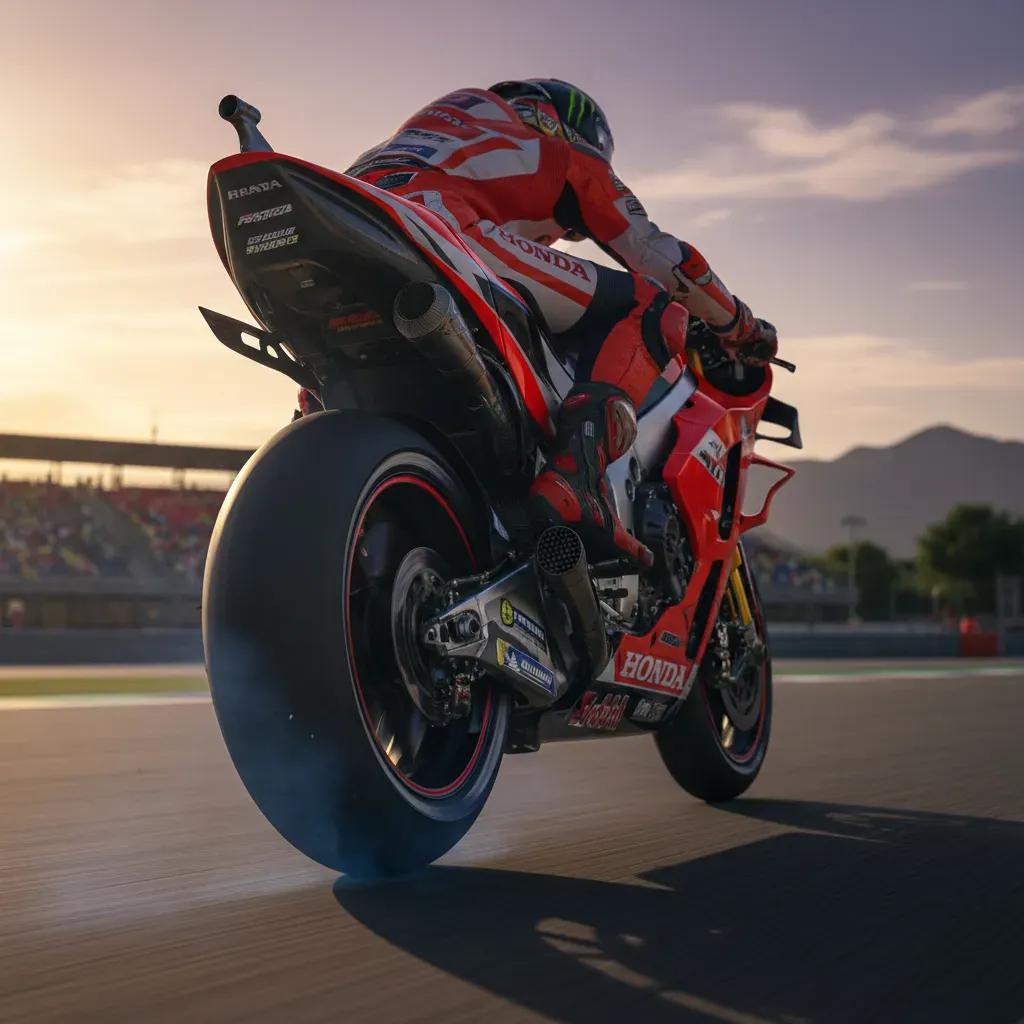
This is it. The main event. MotoGP is the premier class, which means it’s the highest level of competition in the sport. The riders are household names, and the motorcycles are some of the most advanced and fastest racing vehicles on the planet.
The Bikes
MotoGP bikes are prototypes. This means they are custom-built, one-of-a-kind machines that you cannot buy in a shop. They are built with exotic materials like carbon fibre and magnesium and are packed with cutting-edge technology. The 1000cc engines produce over 300 horsepower, launching the bikes to speeds of over 220 mph (360 km/h).
They feature sophisticated electronics that control everything from power delivery to traction, powerful Carbon brakesBrake discs and pads made of carbon — lighter and more powerful than steel, but they only work properly when very hot, roughly 200 to 800°C.Read the full guide →, and complex WingletsSmall wings on the bodywork that create downforce to keep the front wheel down and improve stability.Read the full guide →. You’ll see wings and fins all over the bikes, which are designed to push the tyres into the track at high speed, giving them more grip.
The Racing
Only the absolute best of the best make it to MotoGP. The bikes are physically demanding and brutally difficult to ride at the limit. The combination of elite riders on otherworldly machines creates a spectacle of speed, skill, and strategy. Winning here means you are, without a doubt, one of the best motorcycle racers in the world.
The Ladder in Action
The progression through these classes is very clear. Let’s imagine the 2026 season for a moment. One of the exciting new rookies on the MotoGP grid is Diogo Moreira, who just earned his spot by winning the 2025 Moto2 championship. His promotion is a direct result of proving he was the best in the class below.
Looking further down the grid, you can see riders like Ai Ogura, who graduated from Moto2 a couple of years earlier. After a season of learning, he is now consistently fighting for strong positions. This shows the clear pathway: succeed in Moto3, prove your pure talent in Moto2, and then earn your chance to battle with the legends in MotoGP.
So next time you watch a race weekend, you’ll know exactly what you’re seeing. It’s not just three separate races; it’s a story of ambition, a showcase of talent at every level, and a glimpse at the past, present, and future of the sport all in one day.
Quick Takeaways
- MotoGP racing is organised into three classes: Moto3, Moto2, and MotoGP, which form a ‘feeder system’ for talent.
- Moto3 is the entry-level class with lightweight 250cc bikes, known for huge packs of riders slipstreaming each other.
- Moto2 is the intermediate class where all riders use the same 765cc engine, making it a true test of a rider’s skill.
- MotoGP is the premier class, featuring the world’s best riders on custom-built 1000cc prototype machines with cutting-edge technology.