Tracks
Get Ready for the British Grand Prix at Silverstone
Silverstone is one of MotoGP's fastest and most historic circuits. Its wide layout and flowing high-speed corners create thrilling races and huge slipstream battles.
British Grand Prix
Silverstone Circuit
A wide, fast former airfield where the bikes barely stop — long flowing sweeps, one of the great high-speed corner sequences in motorsport, and often unpredictable British weather.
Schematic layout · not to scale
Watch Maggotts and Becketts. A rapid-fire sequence of high-speed direction changes taken almost flat out — it's where you really see how brave a MotoGP rider is. Follow that stretch of the lap.
The MotoGP calendar is packed with legendary venues, but few combine raw speed and rich history quite like Silverstone. Host of the British Grand Prix, this sprawling circuit in the English countryside is a favourite for riders and fans alike, promising a weekend of unforgettable, high-speed action.
Built on the site of a former World War II airfield, Silverstone’s DNA is all about speed. It’s relatively flat, very wide, and features some of the fastest, most demanding corners in the world championship. This unique character makes it a supreme test of both rider courage and engineering excellence.
What makes Silverstone so special?
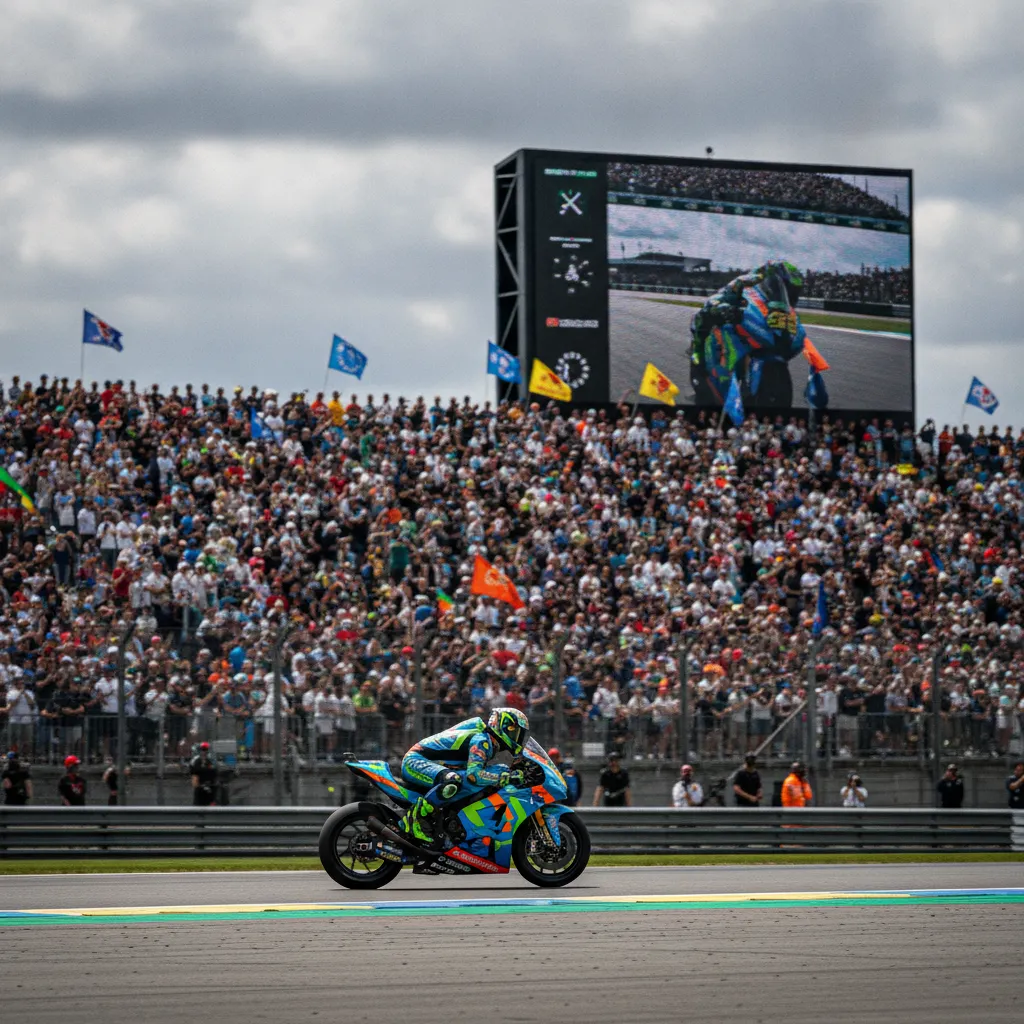
Located in Northamptonshire, Silverstone sits at the heart of what’s known as ‘Motorsport Valley’, an area home to a huge number of racing teams and specialist companies. This gives the British Grand Prix a unique home-race feel, with passionate and knowledgeable crowds creating a festival-like atmosphere all weekend.
Of course, being in Britain means the weather is always a key character in the story. A glorious sunny day can quickly give way to a sudden downpour, completely turning a race on its head. This unpredictability only adds to the drama, forcing teams and riders to be ready for anything.
Which corners should I watch out for?
Silverstone’s 5.9-kilometre layout is a mix of long straights and breathtaking corners, but a few sections are truly world-famous. The most celebrated is the Maggotts and Becketts complex. This isn’t a single corner, but a super-fast, flowing sequence of left and right turns that the riders take at incredible speeds.
To get through here quickly, a rider has to be perfectly precise, using their body weight to flick the 160kg bike from one side to the other in a stunning display of agility. A tiny mistake at the start of the sequence will be magnified by the end, costing precious time. It’s one of the most visually impressive sections of track in all of motorsport.
Another key corner is Copse, the very fast right-hander taken right after the start-finish straight. Riders arrive here at huge speed, and it requires immense confidence to tip the bike into the turn. It’s a corner that rewards bravery and sets the tone for the rest of the lap.
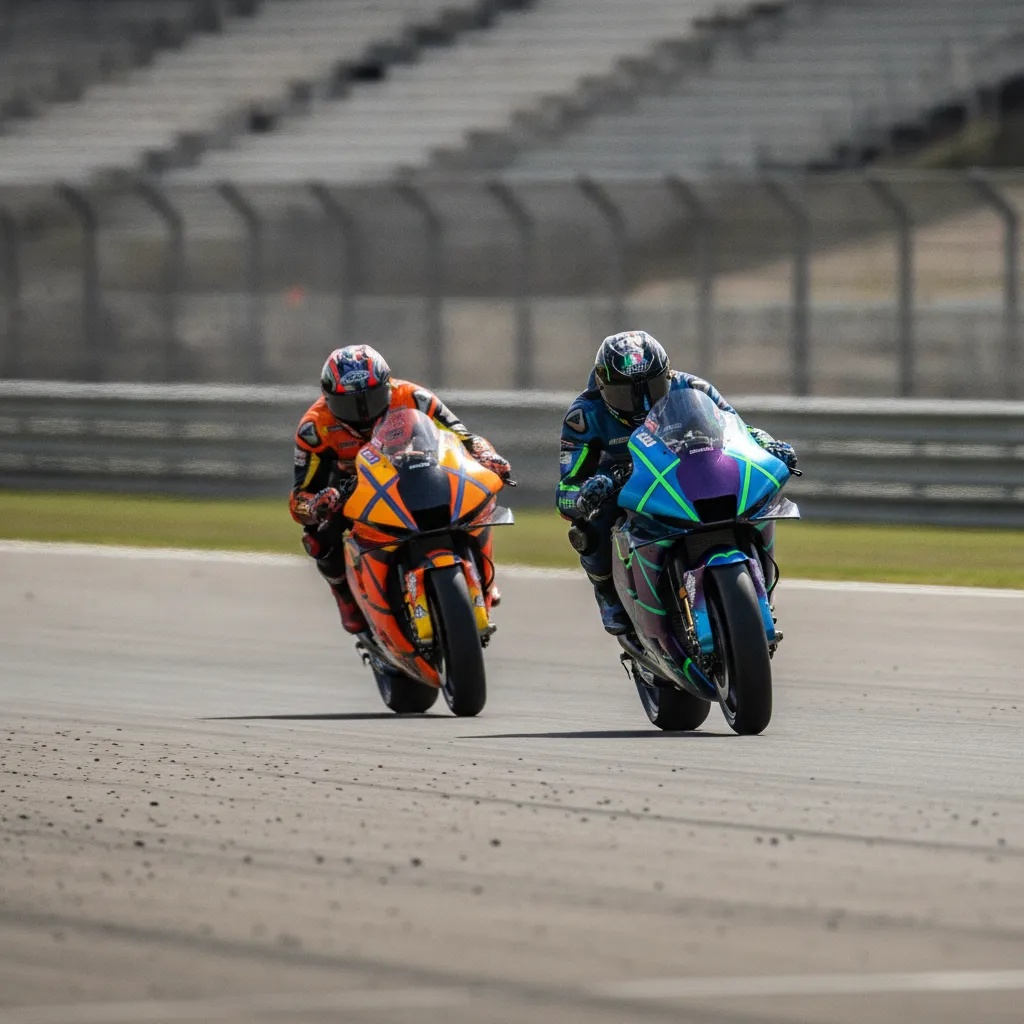
Finally, watch for action at Stowe corner. It comes at the end of the long Hangar Straight, one of the fastest parts of the circuit. Here, riders use a technique called SlipstreamThe pocket of calmer air directly behind another bike. Sitting in it means less wind resistance — so you can carry more speed for free.Read the full guide → – tucking in behind the bike in front to reduce air resistance and gain a speed advantage – to line up an overtake under heavy braking for the corner.
What kind of race can we expect?
Silverstone’s layout produces a specific kind of racing. The high average speed and long straights mean that slipstreaming is incredibly powerful. This often leads to large groups of riders battling together, with positions changing constantly as they draft past one another.
The track is also very wide, which gives riders multiple options for how to approach a corner. This is called having different ‘lines’. Where a narrow track might only have one fast way through a turn, Silverstone’s width allows for more creative and aggressive overtaking manoeuvres, making for fantastic side-by-side action.
This high-speed, flowing nature also puts enormous stress on the tyres. The bikes spend a lot of time leaning over in long, fast corners, which generates a lot of heat and wear. A rider who is too aggressive early in the race might find their tyres have lost grip towards the end, so managing the rubber is crucial for success.
Any tips for a first-time viewer?
When you’re watching, keep an eye on the lead group on the long straights. You’ll be able to see riders deliberately positioning themselves behind a rival to catch their slipstream, preparing for a pass into the next braking zone like Stowe.
Pay attention to how the riders navigate Maggotts and Becketts. Don’t just watch the lead rider; look at the different lines people are taking and how smoothly they can change direction. You can really see the skill difference between riders in this section.
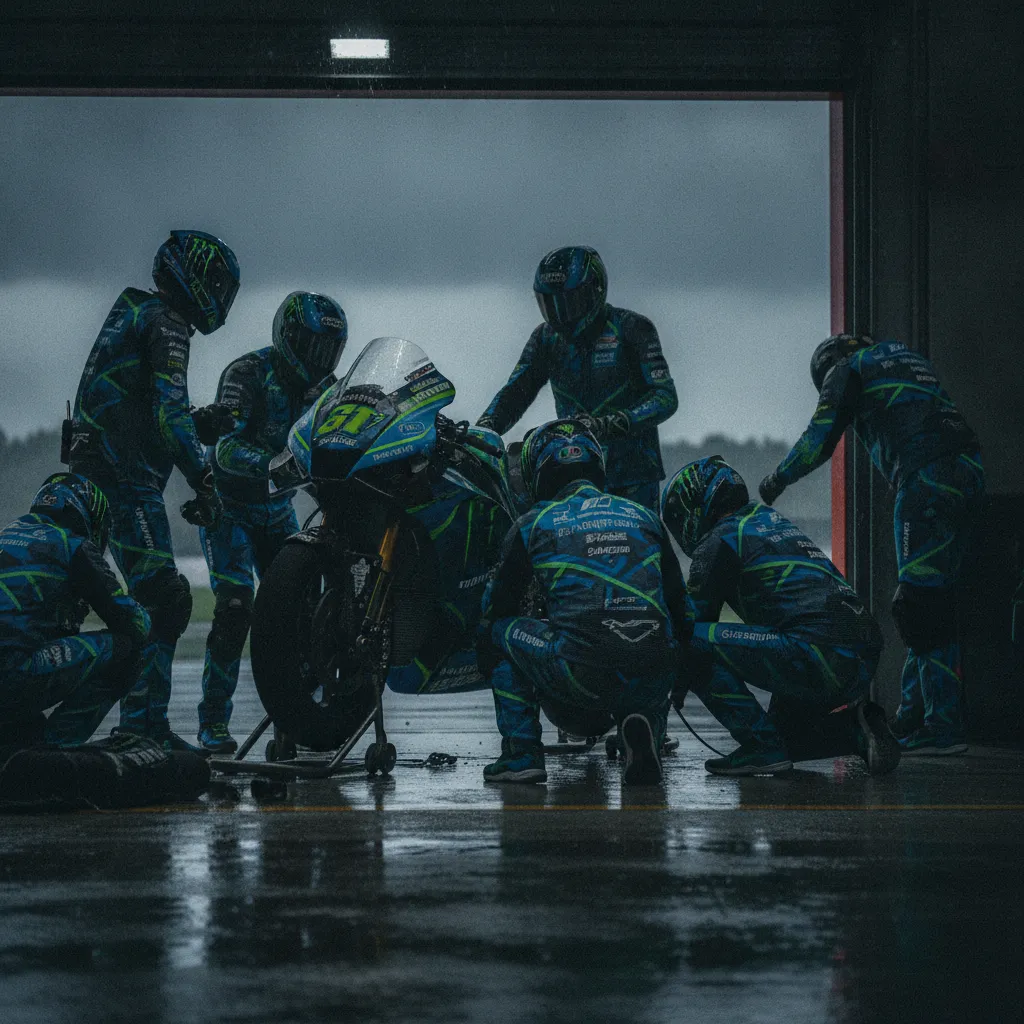
If it starts to rain, watch the Pit laneThe slow lane beside the track where teams work on the bikes and riders enter and exit.Read the full guide →! A wet race can trigger a Flag-to-flagA race where the weather changes and riders pit to switch bikes without the race stopping.Read the full guide → scenario, where riders come into the pit lane to swap to their spare bike fitted with special wet-weather tyres. These swaps are frantic and can completely change the order of the race.
Quick Takeaways
- Silverstone is one of the fastest tracks on the calendar, known for its flowing high-speed corners and airfield layout.
- The Maggotts and Becketts sequence is a world-famous test of a rider’s skill and a bike’s agility.
- Its wide layout and long straights encourage close racing with lots of slipstreaming and overtaking.
- Unpredictable British weather can often play a decisive role in the race outcome.
Quick questions
- Q.Why is Silverstone considered a fast track?
- Its layout, born from an old airfield, features long straights and many fast, sweeping corners, leading to one of the highest average speeds in MotoGP.
- Q.What is the most famous part of the Silverstone circuit?
- The Maggotts and Becketts complex, a rapid series of left-right changes of direction that showcases the incredible agility of the bikes and the bravery of the riders.
- Q.Does the weather affect the race at Silverstone?
- Yes, significantly. The British weather is famously unpredictable, and a sudden rain shower can force riders to change bikes and strategy, often shaking up the race results.
- Q.Is it easy to overtake at Silverstone?
- Yes, the track's wide nature and long straights, like the Hangar Straight, provide several good overtaking opportunities, often leading to exciting, close battles.