News
The British Grand Prix: Get Ready for Silverstone
MotoGP heads to the iconic Silverstone circuit for the British Grand Prix. Here's what to expect from one of the fastest and most thrilling races of the year.
The MotoGP PaddockThe fenced-off working area behind the pits where teams, hospitality and motorhomes are based.Read the full guide → is packing its bags for the United Kingdom as the 2026 season roars towards its twelfth round: the British Grand Prix at the legendary Silverstone circuit. This is a highlight of the racing year for riders and fans alike, promising high speeds and incredible action.
As a crucial event in the second half of the season, the stakes are getting higher with every race. For newcomers to the sport, Silverstone is a perfect showcase of what makes MotoGP so special.
What is Silverstone?
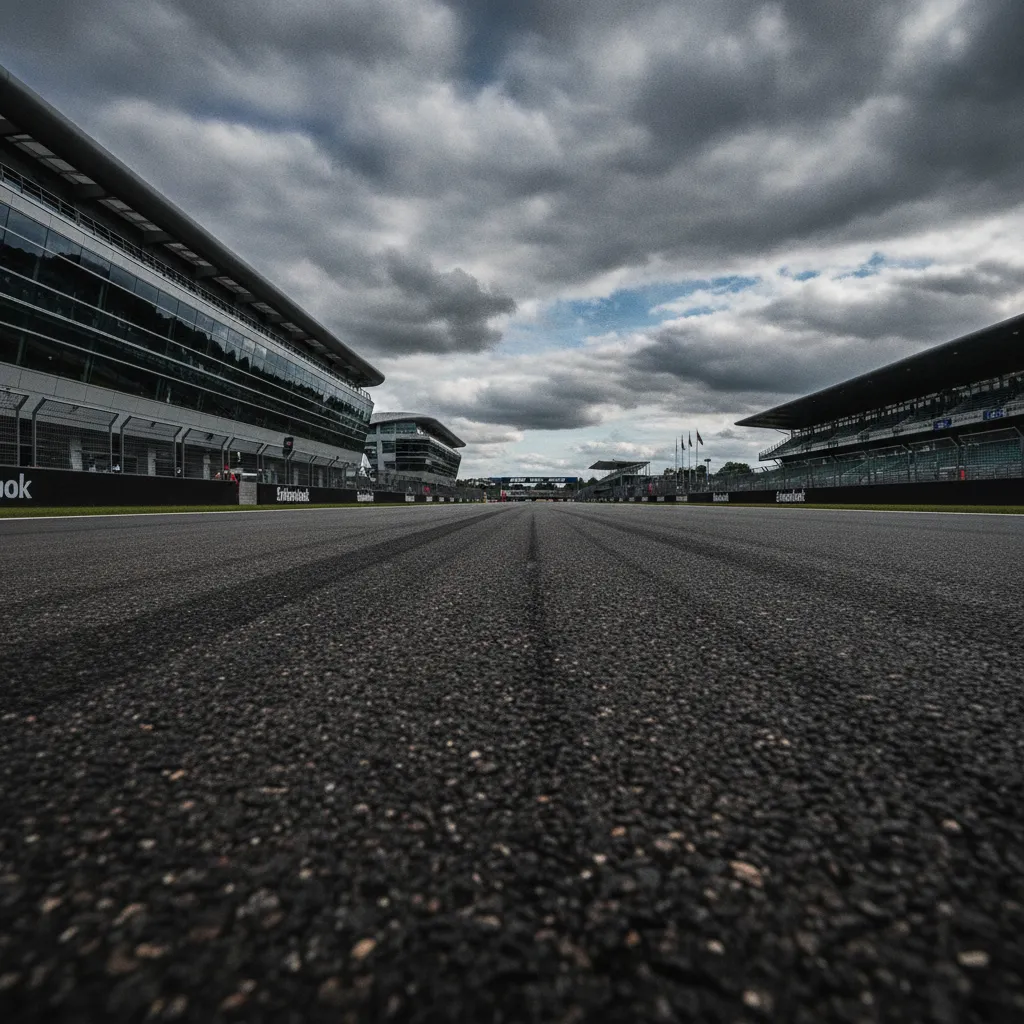
Silverstone is a historic and much-loved circuit located in the English countryside. Originally a World War II airfield, its layout is defined by long, fast straights and a series of sweeping, high-speed corners. It’s one of the quickest tracks on the entire calendar.
Unlike tight and twisty circuits that favour nimble bikes, Silverstone is all about horsepower and courage. Riders spend a huge amount of the lap at full throttle, and the flowing corners require immense precision and commitment. The track is also very wide, which gives riders more options for overtaking.
Why is this race important for the championship?
As the twelfth round of the season, the British Grand Prix marks a point where the championship battle really intensifies. By now, the main contenders for the title have usually emerged, and every single point becomes precious.
A good result here can build vital momentum for the final stretch of the season, while a mistake or a poor finish can be a disaster for a rider’s title hopes. The pressure is immense, not just on the riders but on the teams who are fighting for the Constructors’ Championship (the award for the best manufacturer).
What makes the racing special at Silverstone?
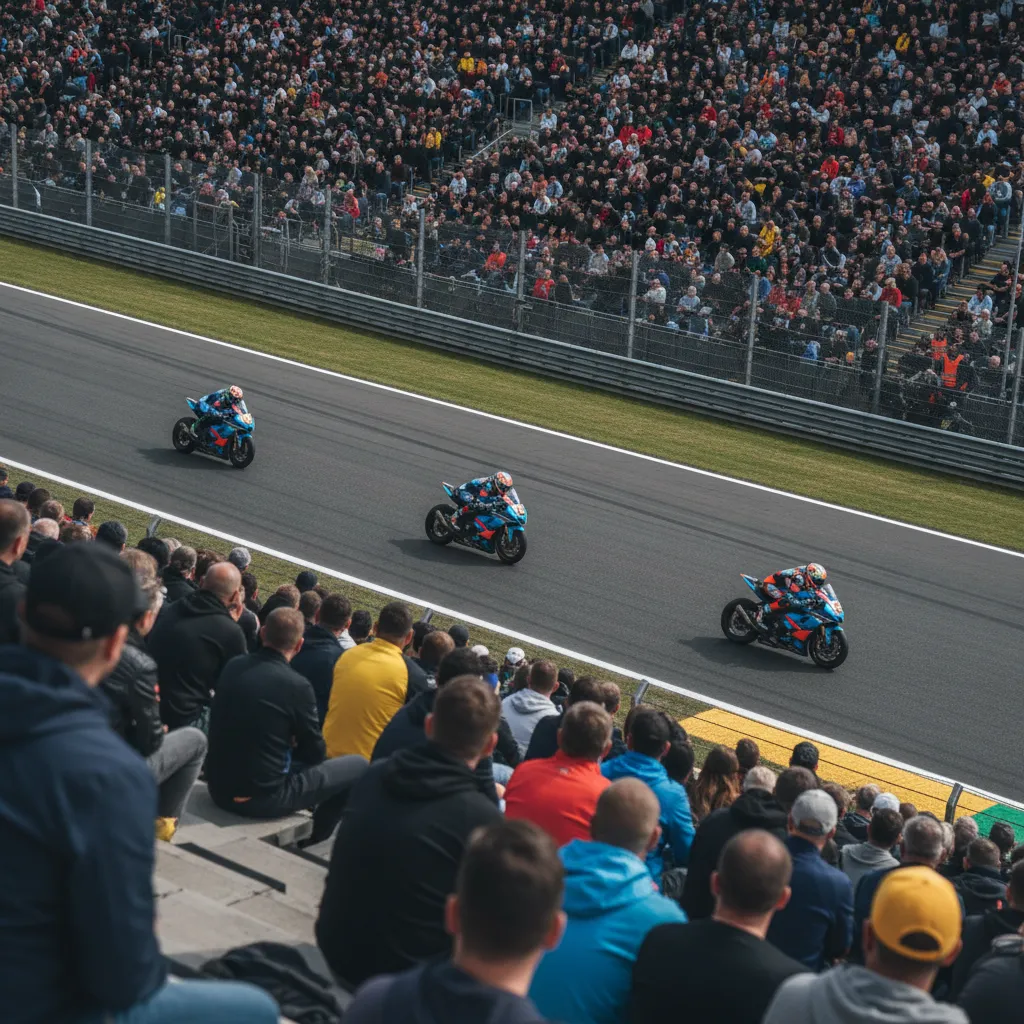
Two key factors make racing at Silverstone thrilling: the track layout and the British weather. The circuit’s wide nature and fast corners allow for fantastic side-by-side racing, as riders can take different ‘lines’ (the path they follow through a corner) to try and get ahead.
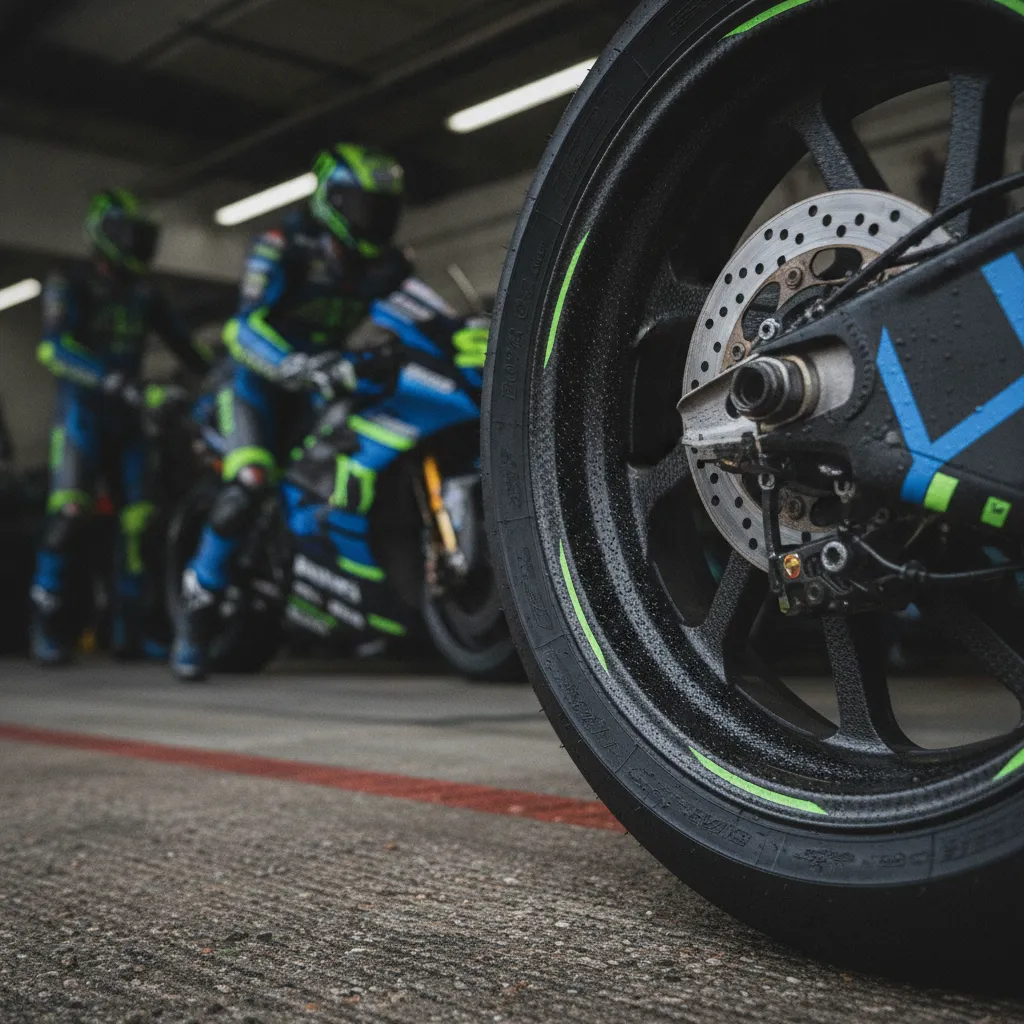
The weather, however, is the great unknown. Sunshine can turn to rain in a matter of minutes, completely changing the race. If this happens mid-race, you might see a ‘Flag-to-flagA race where the weather changes and riders pit to switch bikes without the race stopping.Read the full guide →’ event, where riders must enter the Pit laneThe slow lane beside the track where teams work on the bikes and riders enter and exit.Read the full guide → to swap to their spare bike, which will be fitted with wet-weather tyres. This throws strategy into chaos and can lead to some truly unpredictable results.
Who should I watch out for?
While it’s impossible to predict a winner, some riders have a style that naturally suits Silverstone’s fast and flowing nature. Riders who are confident and smooth at high speed often find an advantage here. Keep an eye on those who have performed well at similar circuits earlier in the season.
Of course, any British riders on the grid will receive huge support from the passionate home crowd. This extra motivation can sometimes provide a small but crucial boost. Ultimately, though, Silverstone is a track that can reward bravery, meaning an underdog can often spring a surprise.
How does the bike setup change for this circuit?
Teams work hard to find the perfect ‘setup’ (the specific adjustments made to the bike) for each track. For Silverstone, the focus is on stability at high speed and maximising top speed on the long straights.
This involves fine-tuning the bike’s WingletsSmall wings on the bodywork that create downforce to keep the front wheel down and improve stability.Read the full guide → – the wings and bodywork that help it cut through the air and create ‘downforce’ (a force that pushes the bike onto the track for better grip). They will also adjust the gearing to ensure the engine’s power is used most effectively for this unique layout. It’s a delicate balancing act between straight-line speed and cornering performance.
Quick Takeaways
- Silverstone is one of the fastest and longest circuits on the calendar, known for its high-speed corners and thrilling racing.
- As a race in the second half of the season, the results are crucial for the riders and teams fighting for the world championships.
- The famously unpredictable British weather can play a huge part, potentially turning a straightforward race into a strategic scramble.
- The wide track layout creates many opportunities for overtaking, so expect plenty of close, side-by-side battles.
Quick questions
- Q.How long is the Silverstone circuit?
- The Silverstone Grand Prix circuit is 5.9 km (3.67 miles) long, making it one of the longest on the MotoGP calendar.
- Q.What does 'flag-to-flag' mean?
- This is a race that starts in one weather condition (like dry) and changes to another (like wet), allowing riders to enter the pits and switch to their second bike which has different tyres.
- Q.Why is Silverstone so fast?
- Its history as a World War II airfield means it was built on flat land with long runways, which were later converted into the long, fast straights and sweeping corners of the racetrack.
- Q.What are the three classes that race on a Grand Prix Sunday?
- The main event is the MotoGP race, which is supported by two other world championship classes: the intermediate Moto2 class and the lightweight Moto3 class. Each has its own exciting race.